
Authorities and Embassies for Safari Travel
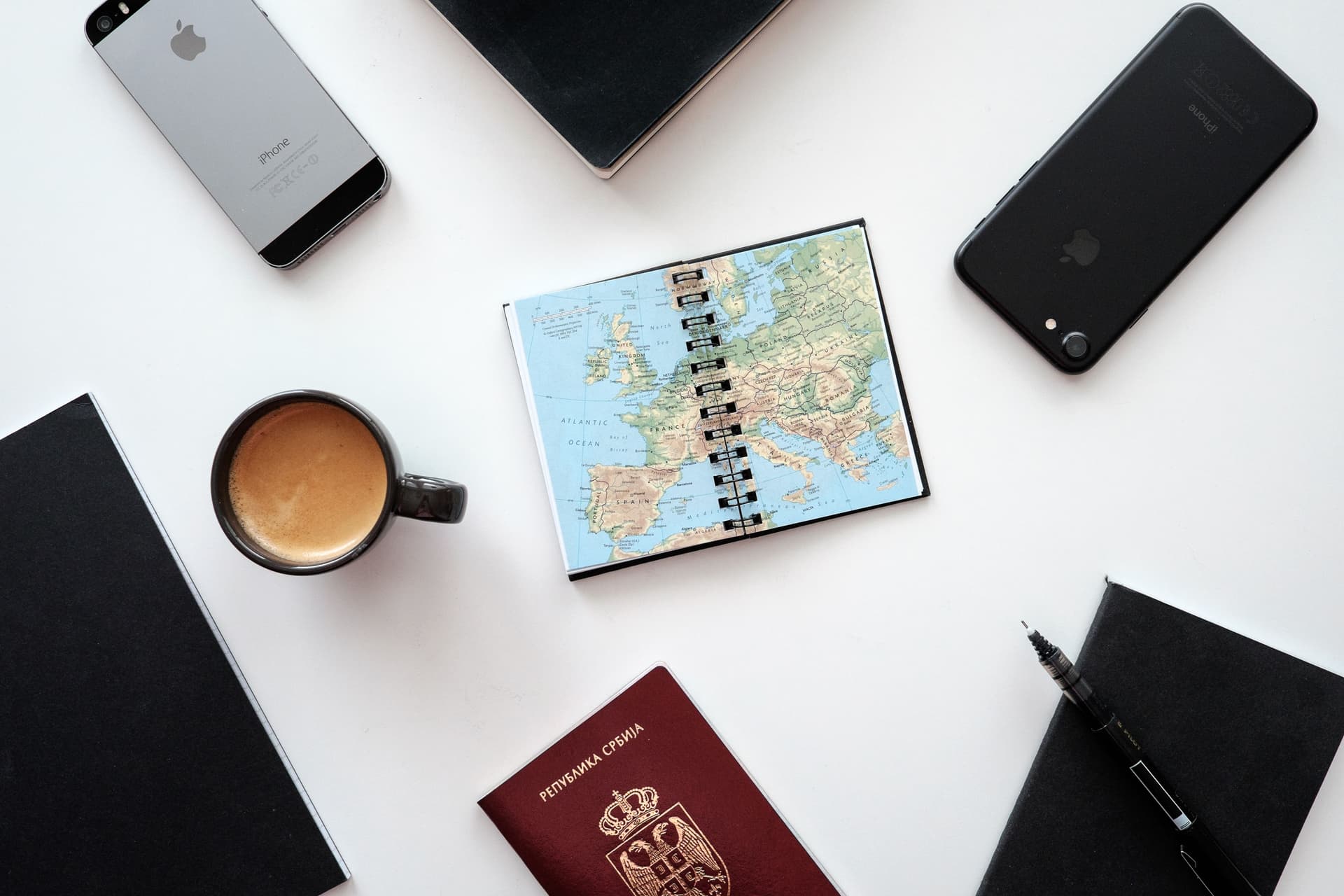
Review the official travel advisories provided by your home government to understand regional requirements. Consider how security assessments inform your choice of safari destinations. Check your government’s portal for foundational information regarding local safety.
Identify which specific diplomatic mission covers your destination as part of your pre-departure preparations. Note the operational limits of consular support services before you travel. Ask yourself if your travel plans account for the possibility of requiring consular assistance in a remote location.
What should you know about navigating Official Travel Advisories?
Consult your government's official advisory pages for the most recent health and security assessments. Review these platforms for updates that may require adjustments to your itinerary. Assess if the information provided covers all aspects of your planned travel environment.
Plan a specific schedule for checking these advisory pages throughout your entire international journey duration. Consider how you will adjust your itinerary if your government suddenly updates its security risk assessment.
Verify the risk indicators provided by your government for your intended destination. Compare the current warnings against your planned activities. Confirm that all security information originates from an official, verified government source. Check the specific date of the latest government risk assessment to ensure the information remains current. Compare your planned activities against the specific prohibited zones mentioned within your government security advisory documentation.
What should you know about mapping Diplomatic Jurisdiction?
Identify which mission holds jurisdiction over your destination if it is not located within that country. Check the official directory to confirm the correct office. Ask whether your travel route requires you to be aware of multiple diplomatic missions.
Request a list of neighboring diplomatic missions that could provide assistance if your primary embassy is unreachable. Confirm which specific government office has primary jurisdiction over remote regions within your planned travel route.
Verify the office hours and emergency contact procedures for your responsible diplomatic mission. Record these contact details in both a physical and an offline digital format. Ensure your information remains accessible without a working cellular network. Keep a physical copy of your embassy emergency contact numbers inside your passport holder for immediate access. Consider how you will communicate with your local mission if your primary mobile device fails during travel.
What should you know about identifying Your Responsible Mission?
Check which embassy has authority for your nationality and specific destination. Confirm the services available through the mission assigned to your travel route. Consider how you would reach this office if your initial travel plans changed. Ask your embassy about the specific limitations of their consular services within your target travel destination region. Plan an alternative route to your designated embassy in case primary transit methods become unavailable during emergencies.
What should you know about understanding Consular Service Limitations?
Discuss with your insurer what assistance is provided versus what your government can offer. Review the legal boundaries regarding what an embassy can do during a financial or medical dispute. Consider your personal responsibilities for safety and insurance while abroad. Discuss specific coverage limitations with your insurance provider regarding legal assistance during a potential financial dispute abroad. Review the written terms of your insurance policy to confirm exactly which emergency services are strictly included.
What should you know about utilizing Traveler Registration Systems?
Use the official registration service of your government to inform them of your presence. Ask if these platforms support notifications for the specific regions you are visiting. Consider how registration assists you if a regional emergency arises.
Consider if your government registration portal requires manual updates whenever your accommodation details change during the trip. Check whether your registration profile allows you to add secondary contacts who can receive emergency status alerts.
Ensure your registration includes current contact details for every member of your party. Verify that your provided mobile numbers will function in your destination country. Include your family in the registration process if applicable. Confirm that every member of your group has a separate registration record associated with their specific details. Plan to update your registration details immediately if you purchase a local SIM card during your journey.
What should you consider about safety and safari etiquette?
Share your detailed safari itinerary with a trusted person at home. Store copies of your passport and travel documents in a secure location separate from your originals. Consider how you will access your documentation if the originals are lost.
Ask your trusted contact to hold a digital copy of your entire safari itinerary and passport documents. Consider using an encrypted cloud service to store essential travel documents for secure access during an emergency.
Review the specific security guidelines for your destination provided by your government. Check for advice on local customs and regulations in both wilderness and urban areas. Seek guidance on health and safety from your official national sources. Review your government documentation regarding specific cultural etiquette expected during your visit to remote wilderness safari areas. Check the recommended health precautions for your specific destination to ensure your personal safety and medical readiness.
How should you prepare for safari health questions?
Check the latest health and entry documentation requirements on official government websites. Verify mandatory vaccination lists close to your departure date. Ask if your planned wildlife excursions have specific health document requirements.
Confirm that your vaccination records are officially translated into the language required by your destination entry authorities. Plan to verify entry requirements again forty-eight hours before your scheduled departure from your home country location.
Keep your insurance policies and contact information for your provider in an accessible place. Confirm that your policy covers medical evacuation. Request guidance from your personal healthcare provider regarding health advice found in official sources. Request a document from your insurance provider stating that medical evacuation services are included for your destination. Confirm your insurance coverage policy number and emergency claim line are saved in your offline digital files.
What should you know about practical Responses to Emergencies?
Seek safety immediately if an emergency occurs. Contact your embassy once you have reached a secure area. Bring your documentation and verified contact details with you to facilitate assistance.
Plan to store your identification and embassy contact details in a waterproof bag during all safari excursions. Check that you have identified the nearest secure location at each stop on your planned safari itinerary.
Ask your embassy for guidance on how to follow local protocols in a crisis. Ask how local laws affect consular support in your destination. Maintain communication with your mission throughout the situation. Ask embassy officials how to best maintain communication with them if local telecommunication networks suffer major disruptions. Consider how you will update your embassy if your physical location changes during a regional safety crisis.
What should you know about special Considerations for Dual Nationals?
Consider how your dual nationality status affects your consular protection rights. Research whether local authorities recognize your second nationality in legal matters. Ask if your primary country's embassy can provide full access in your destination.
Check which nationality's passport will provide the most effective legal protection if you encounter unexpected official issues. Consider whether using your secondary passport might limit the consular support available from your primary home embassy.
Contact both of your embassies if you have concerns about your status. Verify which national regulations apply to you during your journey. Carry all necessary documentation for your nationalities. Confirm if your dual nationality requires specific entry permits or visas for your intended safari destination country. Plan to carry official documentation confirming the validity and status of both nationalities during your entire journey.
What should you know about staying Informed Throughout Your Safari?
Monitor your government's communication channels for security updates during your trip. Be prepared to adjust your safari schedule based on new information. Consider how to remain adaptable while traveling.
Check your government communication channels every single morning to receive the latest security updates and travel alerts. Plan your daily safari activities to allow for quick changes if new security information is officially released.
Use government-provided mobile applications for current security data. Check if your chosen tools offer offline functionality. Verify the accuracy of the data before relying on it for travel decisions. Consider downloading all necessary security data to your device for offline use before entering remote wilderness areas. Compare the information provided in mobile applications against official web portals to ensure data consistency and accuracy.
How do you turn this guidance into a travel plan?
Use the guidance below to compare your options, check current official information and ask the operator for written clarification before committing.
- Define your travel priorities and practical constraints.
- Compare routes, inclusions and the stated price basis.
- Check current requirements with the relevant official authorities.
- Ask the operator to confirm the arrangements and terms in writing.
Who is this suitable for?
This guidance is for travelers comparing routes and asking practical questions before booking directly with an operator. It is not a substitute for personal medical or legal advice, a live availability check or a guaranteed wildlife sighting.
Frequently asked questions
How do I know if my travel advisory has changed while I am away?
Ask your government travel office if they provide email alerts or mobile notifications for your destination. Check your registered contact methods regularly during your travels. Request updates from your official national portal if security conditions in the region fluctuate.
Will my embassy provide evacuation if things go wrong?
Compare the scope of consular assistance with the specific requirements of your travel insurance policy. Ensure your insurance provides sufficient emergency transport coverage. Consider what measures you will take if you encounter an emergency where diplomatic evacuation is not an option.
What if there is no embassy in the country I am visiting?
Verify which diplomatic mission has formal jurisdiction over the country you intend to visit. Ask if your destination is served by a mission based in a neighboring country. Confirm the responsible office’s contact details before your departure.
Does registering my trip provide better protection than not registering?
Use your national registration system to inform authorities of your travel itinerary. Discuss how registration facilitates communication during a crisis. Check if your registration data remains accessible and current while you are abroad.
Can I get medical or financial advice from my embassy?
Ask whether your embassy provides a list of local service providers or medical facilities. Clarify who is responsible for managing your financial expenses during a medical or legal emergency. Review your insurance documentation to determine if it covers all identified travel risks.
Your next step
Plan to align your safari itinerary with information from your official government travel portal. Consider how your home nation’s diplomatic reach impacts your personal safety framework while abroad.
Ask your government’s official channels about local laws and entry procedures for your specific destination. Verify the contact details of your responsible diplomatic mission before you depart.
Official resources by country and topic
- Auswärtiges Amt (External link · opens in a new tab)
Germany · DE · Last checked:
- BMEIA – Außenministerium Österreich (External link · opens in a new tab)
Austria · DE · Last checked:
- EDA – Eidgenössisches Departement für auswärtige Angelegenheiten (External link · opens in a new tab)
Switzerland · DE · Last checked:
- EDA – Travel Admin (External link · opens in a new tab)
Switzerland · DE · Last checked:
- FCDO – Foreign, Commonwealth & Development Office (External link · opens in a new tab)
United Kingdom · EN · Last checked:
- U.S. Department of State (External link · opens in a new tab)
United States · EN · Last checked:
- Government of Canada – Travel Advice and Advisories (External link · opens in a new tab)
Canada · EN · Last checked:
- DFAT – Smartraveller (External link · opens in a new tab)
Australia · EN · Last checked:
- Auswärtiges Amt – ELEFAND (External link · opens in a new tab)
Germany · DE · Last checked:
- U.S. Department of State – STEP (External link · opens in a new tab)
United States · EN · Last checked:
- Auswärtiges Amt – Deutsche Auslandsvertretungen (External link · opens in a new tab)
Germany · DE · Last checked:
- EDA – Schweizer Vertretungen im Ausland (External link · opens in a new tab)
Switzerland · DE · Last checked:
- DFAT – Australian Embassies and Consulates (External link · opens in a new tab)
Australia · EN · Last checked:
- Government of Canada – Embassies and Consulates (External link · opens in a new tab)
Canada · EN · Last checked:
- U.S. Department of State – Embassy and Consulate Directory (External link · opens in a new tab)
United States · EN · Last checked:
Continue reading
Official Resources for Travelers
Official travel, entry, health, consumer and conservation resources, organised by country and topic.
Safari Entry, Visas and Travel Documents
Safari Entry, Visas and Travel Documents. Official sources and practical questions to check before you travel.
Handling Emergencies During a Safari
Handling Emergencies During a Safari. Official sources and practical questions to check before you travel.