
Best Time for a Tanzania Safari
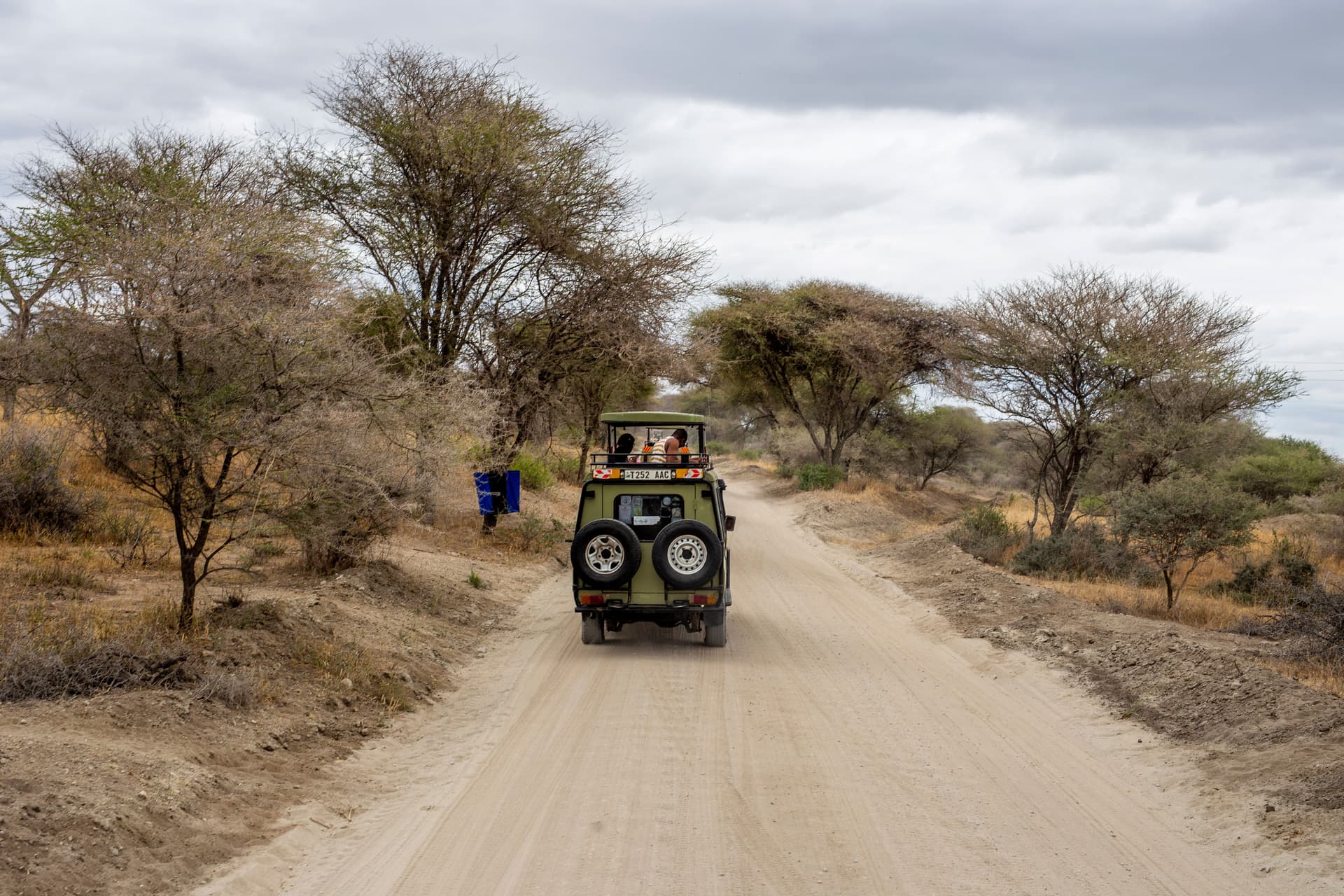
Plan your travel by considering how Tanzanian ecosystems respond to local weather patterns throughout the year. Discuss whether your itinerary will focus on the northern circuit, southern wilderness, or coastal regions with your advisor. Consider how the significant geographical scale of the country influences your movement between parks.
Consult with official park authorities regarding current conditions before finalizing your arrangements. How will you use seasonal climate trends as flexible guides rather than fixed forecasts for your trip? Check the latest updates from professional safari operators to ensure your plans align with the current landscape.
What should you know about the northern safari circuit?
TANAPA lists June to October as Serengeti dry-season migration orientation and January to February for calving. Consider planning your visit during the months of June, July, August, September, or October for access to wildlife congregating at water sources. How does the thinning vegetation of the dry season affect your photography or wildlife viewing goals?
Consider what specific packing requirements are necessary for the dust levels during these dry season months. Ask your travel agent about the availability of private water-focused hides for optimal wildlife viewing opportunities.
Check the status of remote tracks with official government channels if you plan to travel during the shoulder seasons. Consider how rapid shifts in accessibility during rainy periods might require you to adjust your planned route. Are you prepared for the possibility of lush, changing scenery during transitional months? Check the specific cancellation terms for your ground transportation bookings in case of sudden weather-related road closures. Confirm the level of medical emergency coverage included in your travel insurance for remote area extraction services.
How can you plan around migration without guaranteed sightings?
Prioritize flexibility in your itinerary to accommodate the erratic movement of herds driven by rainfall and grazing availability. Discuss with your guide the current location of the herds during January, February, or March to better plan your migration viewing. Avoid setting a static schedule that ignores the dynamic nature of the migration. Plan a secondary interest activity for days when herd movements remain too distant for comfortable travel distances. Discuss the financial implications of changing your camp reservations on short notice with your selected travel provider.
Seek the expertise of a guide on the ground to track animal movements ethically. How can you adapt your expectations if natural events like calving occur outside of anticipated timeframes? Consider the benefits of relying on local professional knowledge to navigate to areas of high predator activity. Request a written outline of the ethical guidelines that your selected guide follows during wildlife tracking encounters. Consider how you would adjust your daily itinerary if local weather prevents access to primary viewing areas.
How do season and regional conditions affect your plans?
Consider visiting during the drier months when wildlife in Tarangire congregates near the river. How will your choice of season impact the concentration of elephants and other large mammals you observe? Plan to observe unique seasonal behaviors that distinguish this park from the surrounding landscape. Check if your chosen camp offers guided walking safaris that provide a different perspective on seasonal behaviors. Consider if you have the necessary camera equipment to capture fast-paced wildlife actions from a moving vehicle.
Choose a visit during the lush, green season if you prefer quiet observation over high-density game viewing. Compare the experiences of peak-period density versus off-peak solitude in the wider ecosystem. Are you prepared for more dispersed sightings during periods outside of the peak dry season? Ask the lodge staff about the specific benefits of visiting during the quiet, green season for photography. Compare the daily costs of peak season versus off-peak season to maximize your overall travel budget value.
What should you know about remote Frontiers: Southern and Western Regions?
Consider the limited infrastructure of remote southern parks like Ruaha and Nyerere when selecting your travel dates. Ask whether your chosen camps remain open during the long rains in April and May. How do you intend to navigate the more dramatic seasonal shifts in accessibility in these regions?
Consider the added time needed for light aircraft transfers when planning your overall safari duration and intensity. Confirm the availability of reliable satellite communication at your remote camps for your personal safety needs.
Balance your desire for solitude against your requirements for consistent road accessibility when planning your southern circuit trip. Consider scheduling your visit between late June and October to utilize the most stable road conditions. Discuss logistical support for remote travel with your operator to ensure your itinerary is feasible. Request a detailed breakdown of the terrain types you will encounter during your specific southern safari route. Plan for consistent water intake during long drives through remote regions to ensure your personal health comfort.
How do season and regional conditions affect your plans?
Compare the potential benefits of the cool, dry weather between June and August against the rain-fed landscapes of April and May. How does your tolerance for heat or rain influence your choice between the first and second quarters of the year? Plan to exercise patience during game drives in the greener, wetter months.
Check the specific clothing requirements for transitioning between cool morning temperatures and hot midday sun conditions daily. Discuss with your tour operator which types of terrain-suitable vehicles are guaranteed for your specific travel dates.
Consider visiting between November and April if your primary goal is birding. How will the return of short rains in November and December change the landscape and wildlife activity for your safari? Look for migratory bird species during the wetter months to enrich your avian observation experience. Request a list of recommended birding field guides to better prepare for your specialized wildlife observation goals. Consider what specific insect protection methods you will utilize during the increased mosquito activity of wetter seasons.

What should you know about combining Safari with Coastal Retreats?
Compare the tropical, humid climate of the coast and islands like Zanzibar with the conditions of the interior. Ensure your beach stay timing accounts for seasonal variations in water conditions. Are you planning to book coastal accommodations with the same logistical scrutiny as your inland safari?
Check the tide schedules for your beach stay to ensure that your preferred water activities are accessible. Consider if you need to arrange additional ground support for transferring between the airport and coastal resorts.
Build buffer days into your itinerary to account for potential weather-related transit delays. Evaluate whether a faster-paced multi-region trip or a deep, single-region exploration better fits your time constraints. Consider the travel time involved in moving between remote western parks and coastal destinations. Discuss connection margins with your operator and airline for your actual flight sequence and written rebooking terms. Review your travel insurance documents to ensure they cover non-refundable deposits for weather-related trip cancellations or delays.
What should you clarify before booking directly with an operator?
Determine whether photography, witnessing the migration, or cultural exploration is your primary priority. Maintain flexibility in your daily schedule to adapt to changing weather conditions. Coordinate with your operator to establish a communication protocol for mid-safari adjustments.
List your priorities for any itinerary change and ask who will make and communicate the decision. Ask your tour company to confirm who is responsible for initiating itinerary adjustments during your active travel.
Ask your operator for details regarding their contingency plans for weather-related disruptions. Request clarity on package inclusions, specific vehicle types, and safety training protocols. Verify the professional reputation and regulatory compliance of your chosen safari company before finalizing your booking. Request the contact details of the local office representative who will manage any urgent logistical changes required. Check if your operator has formal partnerships with local medical providers for any health-related contingency situations required.
How do you turn this guidance into a travel plan?
Use the guidance below to compare your options, check current official information and ask the operator for written clarification before committing.
- Define your travel priorities and practical constraints.
- Compare routes, inclusions and the stated price basis.
- Check current requirements with the relevant official authorities.
- Ask the operator to confirm the arrangements and terms in writing.
Who is this suitable for?
This guidance is for travelers comparing routes and asking practical questions before booking directly with an operator. It is not a substitute for personal medical or legal advice, a live availability check or a guaranteed wildlife sighting.
Frequently asked questions
How do I ensure my booking with an external operator is secure?
Verify the registration of your safari operator with local tourism boards before booking. Request clear terms regarding the scope of services and cancellation policies from your provider. Record all communication regarding your itinerary and payment agreements in writing.
Should I be concerned about currency fluctuations and available payment methods?
Discuss preferred payment methods, such as wire transfers, directly with your chosen operator. Consider the potential impact of currency conversion rate fluctuations when budgeting for international payments. Clarify which currency is used for your quote to avoid confusion during the transaction process.
What is the policy regarding children and family safety?
Discuss specific age restrictions for activities like walking safaris or balloon rides with your operator. Consider the individual needs and ages of children when selecting lodges and transport options. Ask how different lodges accommodate the safety requirements of younger travellers.
How are cancellations and travel interruptions managed?
Read the specific cancellation terms provided by your individual operator thoroughly. Ensure you have secured comprehensive travel insurance to protect against financial loss from unexpected interruptions. Review what specific events are covered by your insurance policy before departure.
Your next step
Consider how the shifting nuances of various Tanzanian circuits might shape your itinerary rather than focusing solely on a specific month. Plan to explore the diverse wildlife environments while maintaining a realistic and flexible approach to your travel goals.
How will you embrace the natural rhythms of the Tanzanian wilderness during your visit? Prepare thoroughly to ensure that your experience remains rewarding, whether you encounter large-scale wildlife movements or find quietude in a remote bush camp.
Official sources and further checks
Continue reading
Tanzania Safari Planning Guide
Tanzania Safari Planning Guide. Practical planning, careful comparisons and questions to ask before booking directly with a safari operator.
Understanding the Great Migration
Understanding the Great Migration. Practical planning, careful comparisons and questions to ask before booking directly with a safari operator.
Kenya or Tanzania: Choose Your Safari
Kenya or Tanzania: Choose Your Safari. Practical planning, careful comparisons and questions to ask before booking directly with a safari operator.