
Understanding the Great Migration
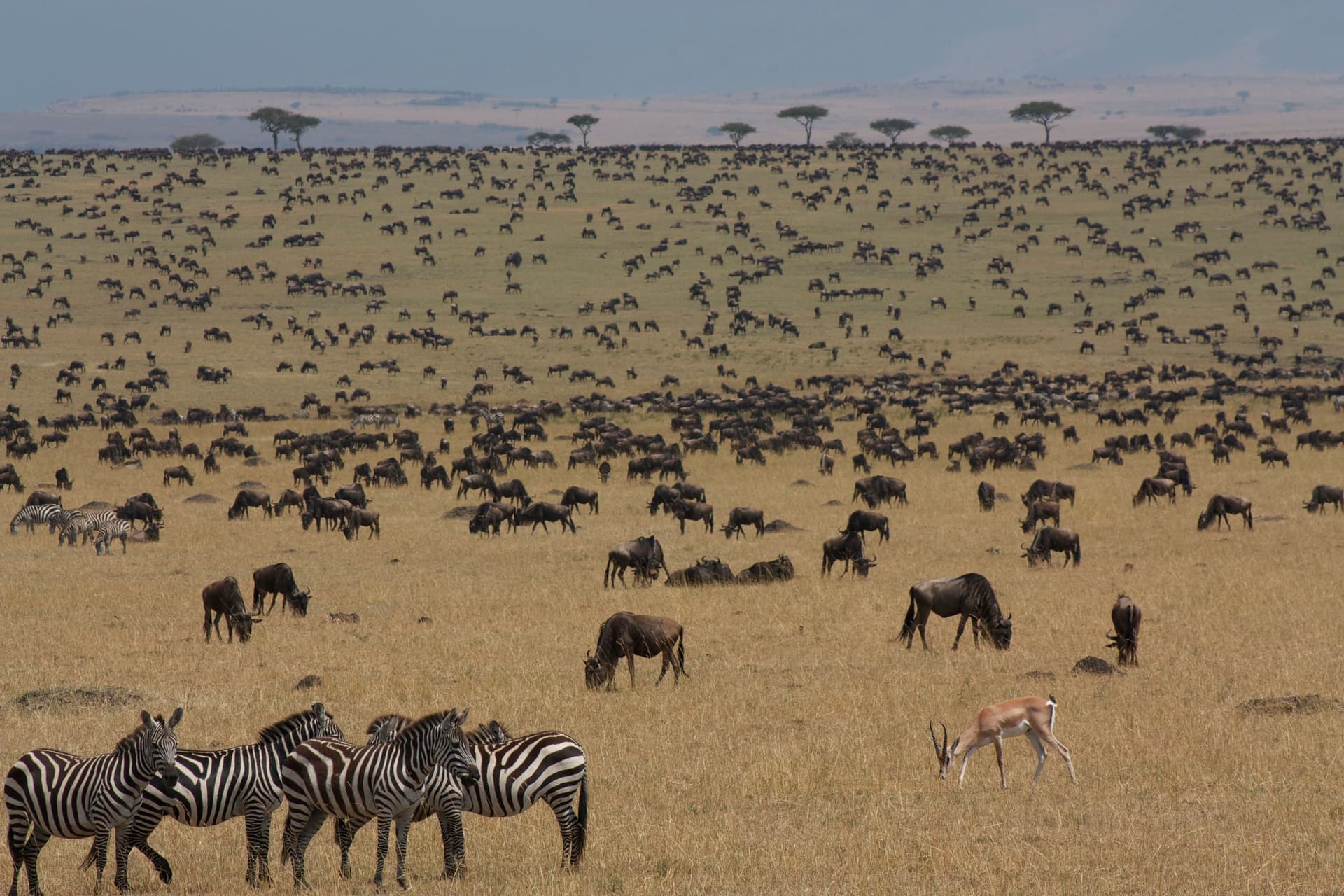
Consider how shifting weather patterns and rainfall might influence your chosen travel dates. Ask your operator how they adapt itineraries in real-time to reflect the current, fluid movements of the herds. Check how border crossings affect your specific travel itinerary.
Plan to prioritize flexibility and patience to ensure a meaningful experience regardless of specific animal sightings. Discuss the ethical implications of your presence with your guide before departing into the wilderness. Request a framework for comparison from your operator to help evaluate different wildlife viewing opportunities.
What should you know about understanding the Serengeti-Mara Ecosystem?
Ask your operator how they track the erratic nature of rainfall to inform their movement predictions. Consider how long-term seasonal trends might guide your travel planning better than specific calendar dates. Plan to remain flexible in your itinerary to account for the non-static nature of herd locations.
Verify which resident wildlife species, such as lions or elephants, you might encounter regardless of the migration's location. Consider the ecological diversity of the Serengeti and the Mara beyond the migratory herds. TANAPA lists lions, leopards, elephants, buffaloes and rhinos among Serengeti wildlife.
How do season and regional conditions affect your plans?
Ask about the conditions in the southern Serengeti during January and February if you are interested in the calving season. Consider how the seasonal movement toward the northern Serengeti and Masai Mara affects your travel options between June and October. TANAPA lists June to October as Serengeti dry-season migration orientation and January to February for calving.
Ask your operator how extreme weather conditions might shift the movement of the herds during the long or short rains. Consult official park authorities regarding current environmental conditions before arriving for your safari. Consider the transition periods between March-May and November-December when planning your route.
What should you know about the Influence of Rainfall and Terrain?
Ask your operator how they determine the optimal timing for your visit based on the current year's climatic conditions. Ask your operator about the impact of annual rainfall patterns on the best time for your visit. Plan your travel expectations around the understanding that animals respond to survival needs, not human calendars.
What should you know about navigating the Changing Landscape?
Consider that no single base camp provides year-round proximity to the migratory herds. Discuss with your operator whether your itinerary needs to span multiple regions to ensure you find concentrations of wildlife. Ask about the feasibility of traveling across different areas during your planned stay.
What should you know about ethical Conduct and Wildlife Observation?
Request that your operator strictly adheres to protocols that prevent vehicle crowding near river crossings. Discuss how your group will maintain a respectful distance to avoid pressuring wildlife into risky decisions. TANAPA includes walking safaris among the experiences described for Serengeti.
Ask your professional tracker how they position the vehicle to minimize stress for the animals. Commit to a culture of non-interference and patience during your game drives. Prioritize animal well-being over the acquisition of specific photographs.
What should you know about regional Nuances of the Serengeti and Mara?
Ask your operator about the density of other visitors in the northern Serengeti and the Mara during your planned travel months. Consider the rugged terrain and riverbank geography when managing your expectations for wildlife movements. Prepare for the busy nature of peak season locations.
Compare the sense of space in the central and southern plains with the high-density river crossings of the north. Consider including multiple regions in your itinerary to capture the full diversity of the ecosystem. Ask your operator which regions best align with your interest in tranquil landscapes.
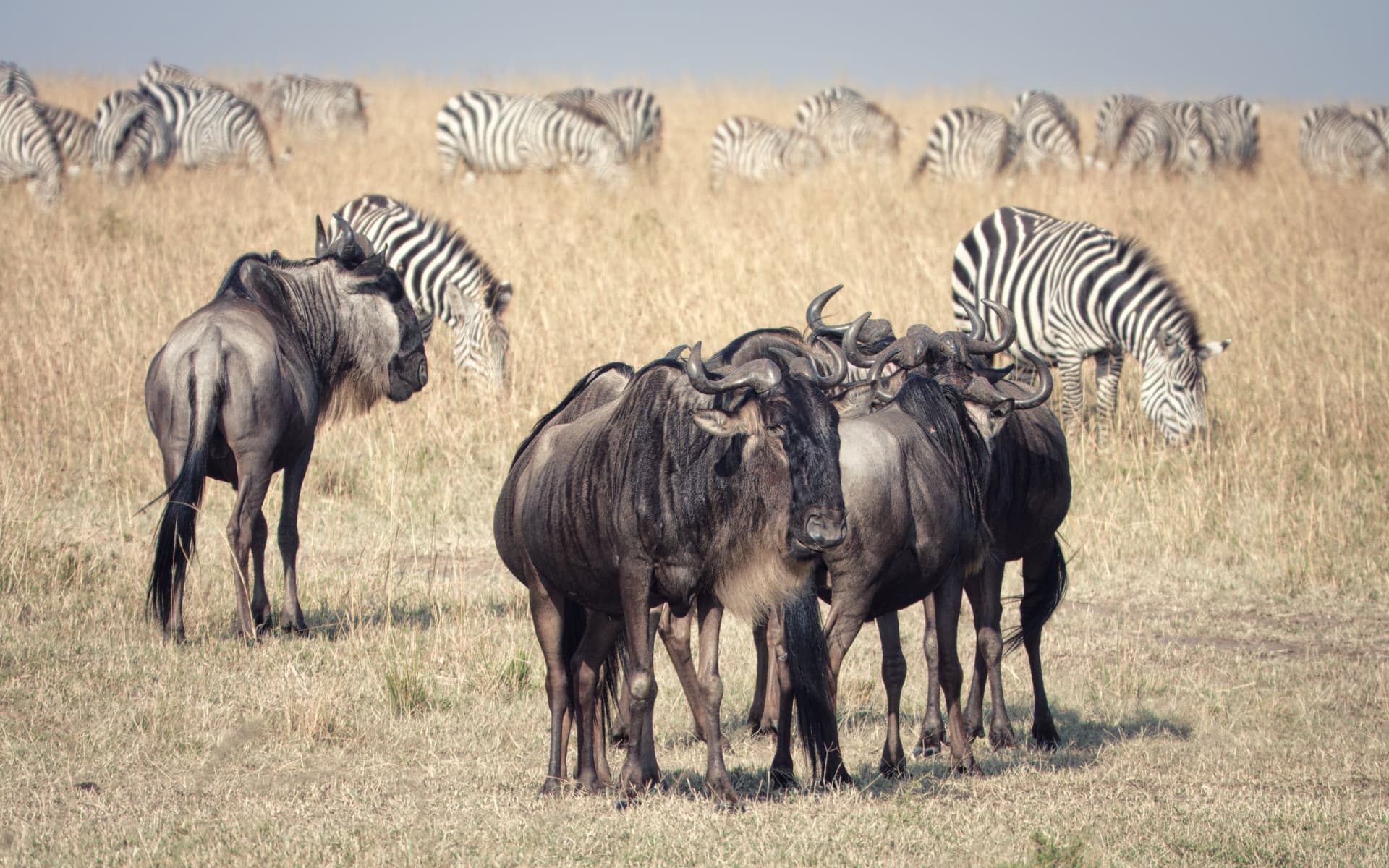
What should you know about practical Considerations for Your Safari?
Bring neutral-colored clothing to assist in blending into your surroundings during game viewing. Include binoculars in your packing list for observing wildlife at a distance. Verify the gate opening and closing times of your specific parks to avoid any prohibited after-hours travel.
Check official government channels and park administration websites for the most current information on entry requirements. Avoid using outdated forums or travel blogs for planning logistics. Confirm all health protocols and permit statuses with the relevant authorities well in advance of departure.
What should you clarify before booking directly with an operator?
Ask prospective operators for evidence of their commitment to conservation efforts. Choose a company that provides realistic expectations regarding wildlife sightings rather than impossible guarantees. Review the transparency of a company's operating policies before finalizing your decision.
Ask detailed questions about guide expertise and vehicle types during your initial communications with a provider. Request information on how the operator supports local conservation and navigates park regulations. Ensure your provider can serve as your primary source of on-the-ground support throughout your trip.
What should you know about appreciating Resident Wildlife?
Consider the variety of resident wildlife that remains present in the Serengeti and the Mara throughout the year. Look for a safari experience that values the complexity of the entire ecosystem rather than just the migratory herds. Ask your guide about the presence of predators and bird species during the time of your visit.
Observe the daily behaviors and social structures of resident species for a more relaxed and rewarding safari pace. Broaden your itinerary scope to ensure a diverse experience regardless of the migration's status. Ask your provider to help you plan time to focus on predator-prey relationships in addition to the migration events.
How do you turn this guidance into a travel plan?
Use the guidance below to compare your options, check current official information and ask the operator for written clarification before committing.
- Define your travel priorities and practical constraints.
- Compare routes, inclusions and the stated price basis.
- Check current requirements with the relevant official authorities.
- Ask the operator to confirm the arrangements and terms in writing.
Who is this suitable for?
This guidance is for travelers comparing routes and asking practical questions before booking directly with an operator. It is not a substitute for personal medical or legal advice, a live availability check or a guaranteed wildlife sighting.
Frequently asked questions
Should I book my safari through a third-party agent or an external operator?
Compare the logistical advantages of booking through an agent versus directly with an operator. Verify the professional credentials and licensing of any operator you consider through official regulatory channels. Ask for written confirmation of all itinerary logistics and service expectations before finalizing your booking.
How are prices handled, and what about currency conversions?
Confirm which currency your operator uses as the standard for your booking quote. Discuss the potential impact of currency fluctuations on your total safari cost with your service provider. Check if you will have access to exchange services in the specific remote areas of the parks you plan to visit.
Are these experiences suitable for children?
Consider the age, interest levels, and physical endurance of all children in your party when selecting your safari activities. Ask your operator about specific minimum age policies for activities like bush walks or hot air balloon safaris. Plan to discuss your children's needs with your chosen provider well in advance of your arrival.
What is the policy regarding cancellations and privacy?
Clarify the specific cancellation terms of your chosen operator in writing before you commit to a booking. Request a copy of the operator's formal privacy policy to understand how your personal data will be managed. Review how the provider stores and utilizes your information before sharing your details.
How can I verify the claims made by an operator?
Verify an operator's credentials by cross-referencing their claims with official tourism board listings. Compare the information provided by your operator with the guidelines published on the official Serengeti National Park and Kenya Wildlife Service websites. Avoid relying exclusively on testimonials or marketing materials when assessing a company's suitability.
Can I use images from this guide to understand exactly what I will see?
Ask your safari provider about the probability of viewing specific wildlife. Clarify that any descriptive imagery provided in your planning materials is for illustrative purposes only. Ask your operator for their policy on handling guest expectations regarding animal sightings.
Your next step
Consider how your chosen path supports the long-term preservation of the Serengeti-Mara ecosystem. Ask prospective safari operators to detail their specific ethical standards regarding wildlife interaction. Discuss with your travel partners how you will maintain flexibility and respect for the natural rhythms of the region during your trip.
Check the official websites of relevant national park authorities for current entry, permit, and fee regulations. Request specific, updated requirements directly from your service provider to ensure your information remains accurate throughout the planning process. Ask your clinician about your individual health needs before embarking on your journey.
Official sources and further checks
Continue reading
Best Time for a Tanzania Safari
Best Time for a Tanzania Safari. Practical planning, careful comparisons and questions to ask before booking directly with a safari operator.
Tanzania Safari Planning Guide
Tanzania Safari Planning Guide. Practical planning, careful comparisons and questions to ask before booking directly with a safari operator.
Kenya Safari Planning Guide
Kenya Safari Planning Guide. Practical planning, careful comparisons and questions to ask before booking directly with a safari operator.