
A More Responsible Safari: Questions to Ask

Investigate the concrete actions taken by operators to support local populations. Plan your adventure by focusing on environmental stewardship and community integrity. Ask prospective operators how they preserve the wilderness areas they traverse.
Ask what specific resource management policies a camp follows throughout January, February, March, April, May, June, July, August, September, October, November, and December. Consider how dynamic environmental conditions might affect your travel plans. Discuss your expectations and trip requirements with your safari provider.
What should you know about prioritizing Wildlife Welfare?
SANParks prohibits feeding or intentionally disturbing wildlife. Confirm that your operator adheres to strict distance protocols for all wildlife sightings. Ask if the operator prohibits off-road driving to protect habitats.
Request written confirmation of their specific policies regarding wildlife interaction distances during all game drive activities. Consider what specific contingency plans the operator has if a guest requests dangerous proximity to animals. Plan to review any available incident reports documenting previous operator compliance with established wildlife protection safety protocols.
Ask your operator about their specific policy for viewing wildlife. Consider whether the operator prioritizes animal welfare over guest proximity. Verify that all observers maintain a respectful distance from the animals. Ask to see the specific training manual provided to guides regarding non-intrusive wildlife observation techniques and standards. Confirm who holds legal responsibility for any environmental damage caused by the operator during safari excursions. Request a summary of how the operator manages potential wildlife stress responses observed during visitor encounters.
What should you know about respecting Natural Boundaries?
SANParks requires vehicles to remain on designated roads. Ask if your guide follows all designated tracks to preserve soil structures. Verify the importance of remaining on authorized paths during your excursion. Check if the company provides detailed maps showing strictly prohibited areas for their designated tour routes. Discuss with the operator their internal disciplinary procedures for drivers found violating established park road rules. Plan to monitor the driver's adherence to marked paths throughout your entire duration in the reserve.
Ask your operator how they minimize vehicle noise during game drives. Consider how your group's behavior affects the tranquility of the environment. Keep noise levels low to respect the wilderness experience. Request information on the maintenance schedule for vehicle engines to ensure noise levels remain within limits. Consider bringing your own high-quality noise-canceling headphones to minimize internal disruption during the observation sessions. Ask how guests are briefed on noise standards before departing for the primary wilderness observation drive.
What should you know about engaging with Local Communities?
Ask the operator how they provide economic support to local communities. Request details on how local residents act as custodians of the land. Consider whether their social initiatives are transparent and fair.
Confirm which specific local community projects receive direct financial support from your chosen safari operator company. Plan to investigate whether the operator employs local staff in management or skilled technical oversight positions. Request documented proof regarding the percentage of revenue reinvested directly into regional community development and education.
Ask the operator to explain their long-term commitment to community capacity building. Verify how project impacts are monitored and measured over time. Consider if infrastructure improvements marginalize local populations. Consider how the operator supports the long-term professional development of their local staff through training programs. Ask for specific examples of community infrastructure projects completed by the operator within the last year. Check the duration of partnerships between this operator and the local community members they officially support.
What should you know about verification and Transparency?
Ask for specific documentation regarding the camp's water usage efficiency. Request information on how the operator sources materials and labor locally. Verify that their waste management systems are operational. Request to review the current water usage logs for the camp during your upcoming visit stay. Plan to inspect the waste disposal facilities personally during your stay to evaluate their operational integrity. Ask whether the camp management publishes annual sustainability reports regarding their local resource management and footprint.
Ask how the company handles feedback from the local community. Discuss their internal accountability processes to ensure transparency. Request access to their recent customer and community feedback logs regarding social impact and operational transparency. Ask if an independent third party conducts annual audits of their internal community accountability assessment systems. Consider what mechanism exists for community members to submit grievances directly to the management board today.
What should you know about resource Management and Waste?
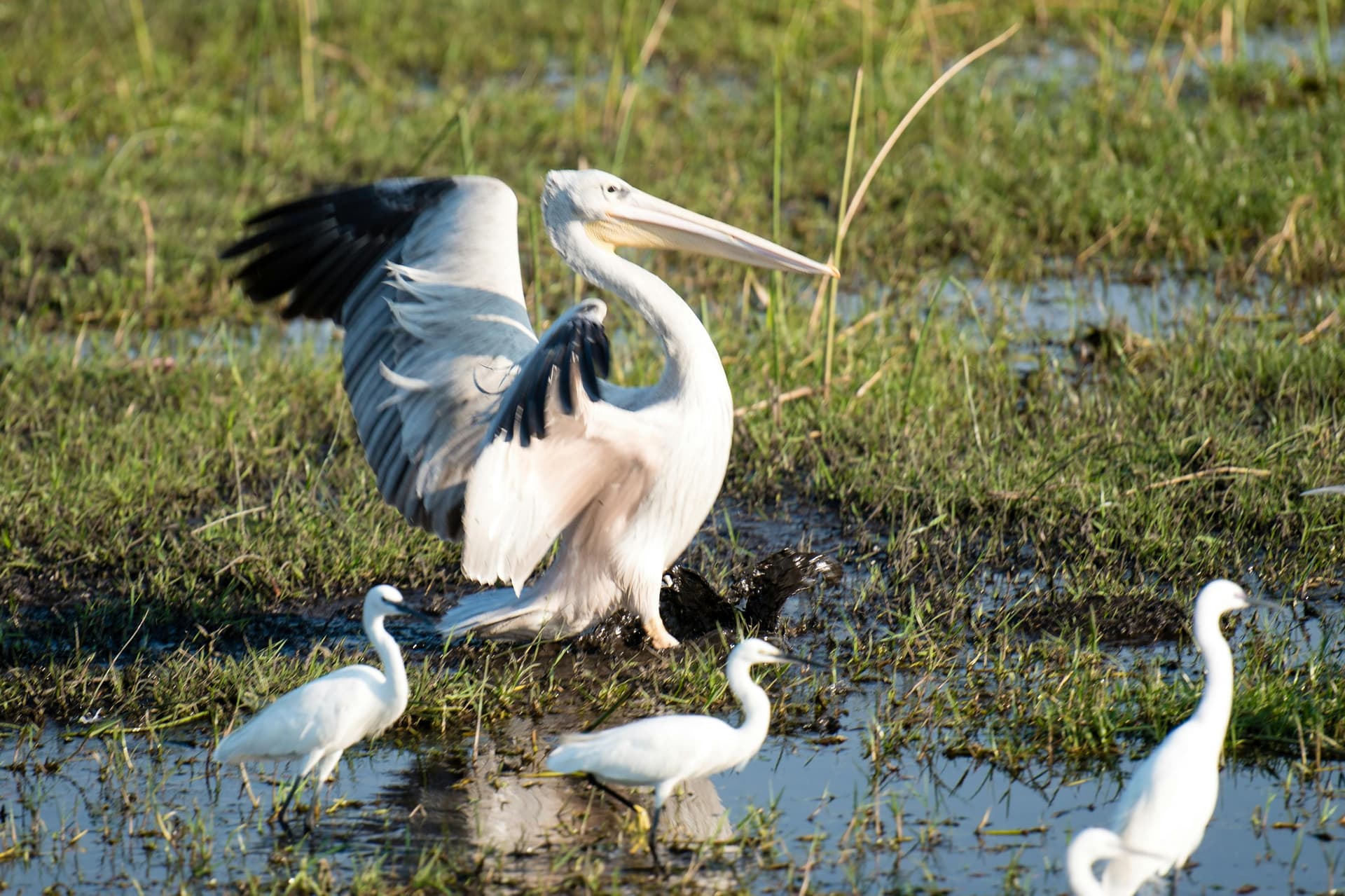
Ask about the camp's specific policies for treating wastewater. Verify how refuse is removed from the park environment. Consider the operator's approach to water conservation in arid regions.
Ask to see certification regarding the chemical safety of the products used in their wastewater systems. Plan to evaluate the refuse removal schedule provided by the camp to ensure regular ecological protection. Check if the camp utilizes renewable energy sources to power their water filtration and sanitation processes.
Ask the operator how they prevent the introduction of invasive species. Verify their commitment to maintaining the integrity of the natural ecosystem. Ask for details regarding their specific protocols for inspecting incoming cargo for potential invasive species risks. Plan to review the park vegetation monitoring records to understand their commitment to ecological health status. Check if the operator provides training to staff on identifying and reporting any suspicious plant species.
What should you know about adhering to Official Park Protocols?
Read the official park regulations regarding gate times and speed limits. Confirm the rules for declaring items like firearms at the park entrance. Verify your understanding of all legal requirements for your visit.
Confirm that your travel insurance policy covers potential liabilities related to accidental park rule violations today. Plan to print all digital copies of park entrance permits to ensure easy access during security. Consider if you require additional legal documentation for any specific equipment being brought into the park.
Ask the park authorities about restrictions on drones or pets. Check the rules regarding specific vehicle types permitted in the park. Consider the impact of your actions on the security of other guests. Request the official list of prohibited items for your specific vehicle class within the park boundaries. Plan to research any recent security updates issued by park authorities regarding safety for all guests. Check if drones require special photography permits or if they are banned across the entire region.
How should you prepare for safari health questions?
Consult your own medical practitioner for clinical advice. Seek guidance on vaccinations and malaria prophylaxis from a qualified professional. Consider your health status when planning for remote locations.
Plan to bring a comprehensive personal medical kit that includes specific supplies for your unique needs. Check with your doctor about potential health risks associated with the specific safari season you planned. Consider having a physical copy of your medical records accessible during your entire remote travel duration.
Ask about emergency health resources available in the park. Verify instructions regarding remaining inside vehicles during game drives. Ask to review the emergency evacuation plan established by your tour operator for any medical crisis. Plan to identify the nearest reliable medical facility capable of providing care during your trip duration. Consider how you will communicate your location to emergency responders if you face unforeseen health issues.
What should you know about planning Your Itinerary?
Research regional geography and seasonal variations before you book. Ask about conservation fees and the potential need for specific permits. Plan to keep your identification documents secure and readily available.
Ask about the exact validity period of your conservation permits to ensure they cover your dates. Plan to store your identification in a waterproof bag to protect documents from harsh environmental conditions. Check if you need to register any specific photographic gear with the local customs office beforehand.
Check the gate opening and closing times for your intended route. Ask if road conditions are suitable for your specific vehicle type. Consider building contingency time into your travel itinerary. Plan to carry extra food and water in case your vehicle experiences mechanical failure while traveling. Check the official contact numbers for the gate authorities to use in case of transit delays. Consider alternative routes if road conditions are reported as poor by recent visitors or park rangers.
What should you clarify before booking directly with an operator?
Ask about the operator's history and their approach to guide training. Request details on how they manage remote operations. Verify their commitment to environment and community through measurable actions.
Request the qualifications of the guides to understand the level of professional expertise during your tour. Plan to review the company mission statement regarding their commitment to measurable ecological and social improvements. Check if the company provides evidence of their operational history within the designated conservation zone territory.
Ask how the operator sets guest expectations regarding wildlife sightings. Consider why prioritizing the conservation experience is more valuable than guaranteed encounters. Ask what specific communication strategy they use to explain wildlife conservation goals to every guest group. Plan to discuss your personal conservation expectations with the operator prior to finalizing your safari booking. Consider how you might contribute to the conservation experience through respectful behavior during your wildlife encounters.
How do you turn this guidance into a travel plan?
Use the guidance below to compare your options, check current official information and ask the operator for written clarification before committing.
- Define your travel priorities and practical constraints.
- Compare routes, inclusions and the stated price basis.
- Check current requirements with the relevant official authorities.
- Ask the operator to confirm the arrangements and terms in writing.
Who is this suitable for?
This guidance is for travelers comparing routes and asking practical questions before booking directly with an operator. It is not a substitute for personal medical or legal advice, a live availability check or a guaranteed wildlife sighting.
Frequently asked questions
How do I book a safari if the operator is external to this platform?
Contact tour operators directly to confirm their authorization to work in your chosen park. Verify that your selected provider operates through official channels.
Can I get a clear answer on currency and pricing?
Confirm all pricing and currency requirements directly with your service provider. Ask if your quote includes all necessary local park fees.
Are children allowed on all safari activities?
Check the official park website for age restrictions on specific activities like "sanparks-children". Ask your operator about safety guidelines for children on game drives.
What is the policy regarding cancellations and privacy?
Request a written copy of the operator's cancellation and privacy policies. Discuss these terms with the operator before you make any payment.
How can I verify the claims made by an operator?
Ask the operator for tangible examples of their community projects. Request specific details regarding their waste management practices. Consider whether the operator's claims are supported by verifiable evidence.
Your next step
Consider how your actions contribute to ecosystem protection during your visit. Ask the park authorities for the most recent regulations before you travel. Plan your itinerary to prioritize long-term sustainability.
Discuss any concerns regarding operator standards directly with the provider. Verify the status of any support resources with the relevant organization.
Official sources and further checks
Continue reading
Wildlife Safari: How to Choose
Wildlife Safari: How to Choose. Practical planning, careful comparisons and questions to ask before booking directly with a safari operator.
Safari Photography: Better Planning and Practice
Safari Photography: Better Planning and Practice. Practical planning, careful comparisons and questions to ask before booking directly with a safari operator.
Group Safari: How to Choose
Group Safari: How to Choose. Practical planning, careful comparisons and questions to ask before booking directly with a safari operator.