
Safari Photography: Better Planning and Practice
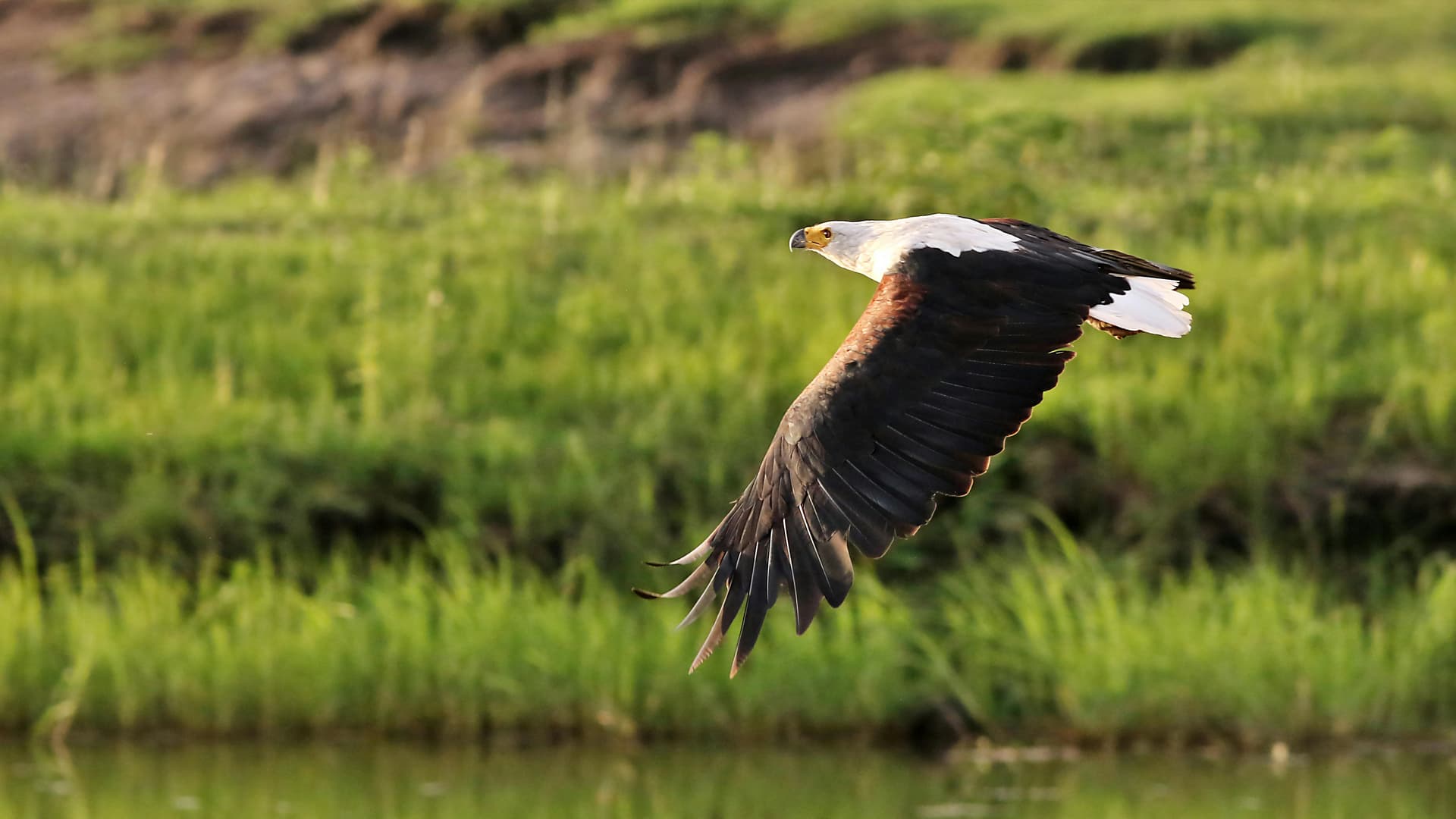
Plan your safari with a primary focus on wildlife conservation. Consider how your photography techniques might impact the natural environment. Keep your expectations aligned with the reality of ethical wildlife interaction. Ensure your presence within the park remains low-impact.
Review official park authority guidelines for the latest health advisories and entry protocols. Plan your logistical approach with precision to accommodate regional variations. Consider the potential for shifts in conservation mandates when developing your itinerary. Verify how different seasons impact your specific photographic goals.
What should you consider about safety and safari etiquette?
Familiarize yourself with the speed limits and gate times of your chosen parks. Confirm the specific rules regarding when you may safely alight from your vehicle. Request a full briefing on safety protocols from your park authority.
Verify the consequences of violating park-specific transit rules. Consider printing your digital gate permits as a physical backup in case of electronic equipment system failure. Plan how you will document each interaction with park authorities should any disagreement regarding vehicle positioning arise.
Consult the official guidelines from relevant bodies such as SANParks. Verify if the park permits drone use or if it is prohibited. Use only designated roads to ensure compliance with ethical wildlife distance standards. Keep an ethical distance to avoid disturbing the wildlife. Check the official park website for any recent updates regarding updated drone usage bans or specific regional restrictions. Request written documentation from the park regarding current road access policies to avoid potential fines during your stay.
How do season and regional conditions affect your plans?
TANAPA lists June to October as Serengeti dry-season migration orientation and January to February for calving. Ask your guide how local rainfall patterns may influence your route. Compare the seasonal guidance provided by park authorities against your travel dates.
Consider how vegetation and available light might affect your photographic opportunities during your specific month of travel. Plan for extreme weather changes by packing specialized protective gear for your delicate camera equipment and lenses. Discuss with your travel agency how they manage transportation contingency plans if seasonal rain impacts road accessibility.
Maintain a flexible itinerary to adjust for unexpected shifts in wildlife movement. Check for updates provided by official park management regarding local ecological conditions. Discuss the potential for water availability changes with your local operator. Consider creating a primary and secondary communication plan to contact your operator if mobile networks become unavailable. Plan your daily schedule to allow extra time for potential mechanical delays during your remote safari excursion.
What should you know about ethical Wildlife Photography Standards?
Observe animals silently to allow for genuine behavioral captures. Avoid any approach that involves baiting or luring species. Keep a respectful distance from all wildlife in the park.
Consider how your physical position in the vehicle might affect your ability to remain quiet while photographing. Discuss with your group the importance of maintaining absolute silence to ensure the most natural wildlife behavior.
Obtain consent before photographing local communities. Avoid feeding or intentionally disturbing wildlife at all times. Discuss cultural etiquette with your guide before visiting local areas. Check if you require specific cultural permits for taking portraits of residents living near the park boundaries. Plan to provide copies of your photographs to local subjects if you have promised them digital prints.
Which equipment fits your safari plans?
Bring robust protective covers for your equipment to mitigate dust damage. Plan your power needs by carrying multiple high-capacity batteries. Use reliable portable charging solutions for remote areas.
Include professional cleaning kits in your gear list. Consider purchasing comprehensive insurance coverage for your expensive optical gear against theft or accidental environmental damage. Plan your daily cleaning routine for equipment to prevent fine dust from entering your sensitive camera sensors.
Choose lenses that balance versatility with the weight of your equipment. Practice your framing techniques before the trip. Consider the benefits of mastering steady hand-held shooting. Consider bringing a lightweight monopod if you find holding your heavy telephoto lens for long periods tiring. Plan how you will protect your equipment during transit between various park locations to ensure total stability.
What should you clarify before booking directly with an operator?
Ask potential operators about their experience specifically with photographic groups. Discuss the guide's ability to position vehicles optimally for lighting. Verify the guide's understanding of silent observation techniques.
Request specific references from the operator regarding their history of working with professional photographers in wild environments. Check if the vehicle provided has specialized side mounts to ensure your heavy cameras remain perfectly stable.
Distinguish your needs between a standard tour and a dedicated photographic workshop. Choose your operator based on their proven commitment to safety and ethics. Plan for unpredictable wildlife sightings. Discuss your specific photographic goals with your tour organizer before signing any binding service agreements or contracts. Plan your budget to include potential private vehicle rental costs if a shared tour restricts your movement.
What should you know about logistics and On-Site Conduct?
Plan your transit with sufficient buffer time for potential road closures. Confirm all gate times with your accommodation or park entry point. Ensure you arrive at your destination before sunset.
Check if your accommodation provider offers escorted arrival services if you anticipate arriving near the park gates. Plan for potential vehicle breakdown by keeping an emergency kit and extra water inside your primary transport.
Bring high-capacity memory cards and multiple external backup drives. Develop a redundant storage plan to safeguard your images. Treat your digital media as precious assets throughout the trip. Consider the benefit of using cloud storage to sync your files daily if internet connectivity allows it. Plan your data organization system to keep your image files neatly categorized by date and park location.
What should you know about vehicle and Movement Limitations?
Verify if your vehicle type adheres to park road weight and size restrictions. Always remain on marked tracks to avoid severe penalties. Consider the advantages of a guided tour for improved visibility. Check your rental agreement for clauses regarding off-road driving liability or mandatory road safety protocols during tours. Consider hiring a local driver familiar with the specific terrain to avoid issues with hidden road obstacles.
What should you know about managing Disruptive Noise?
Minimize noise from electronic devices and conversations. Back away immediately if an animal shows signs of agitation. Use your presence to be an invisible observer in the habitat. Plan your seating arrangement to ensure you can move quietly without bumping the vehicle sides or equipment. Consider wearing neutral clothing colors to remain inconspicuous and minimize your visual impact on the environment.
How should you prepare for safari health questions?
Ask your medical practitioner about health risks in your specific region. Verify your vaccination status well in advance. Consult official government resources for all health and safety regulations.
Plan your medical travel kit to include supplies for common ailments that might arise during your transit. Check if your health insurance covers emergency medical evacuation from remote park locations to large urban hospitals.
Stay hydrated and protect yourself from intense solar radiation. Record the 24-hour emergency contact numbers provided by the park. Report any injury or illness promptly to park management. Consider how you will manage your personal nutrition and hydration requirements during long, hot days spent driving. Plan to share your daily itinerary and contact information with a trusted person outside of the park.
What should you know about understanding Financial Commitments?
Budget for all mandatory conservation fees. Consider if a conservation card offers better value for your multi-park itinerary. Ensure your financial plan includes local community levies.
Check if your bank card will be accepted for park entry payments or if you require cash. Consider keeping a small amount of local currency in a separate pouch for unexpected tips or fees.
Use only authorized financial institutions for currency exchanges. Discuss fee transparency directly with your operator. Verify that all payments are processed through secure, recognized channels. Plan to keep all your payment receipts organized to reconcile your total travel expenses after your trip. Request a detailed breakdown of all service fees from your tour operator to ensure complete financial clarity.
What should you know about finalizing Your Itinerary?
Double-check your bookings and personal identification documents. Confirm that you have permits for all specialized photographic equipment. Maintain a flexible, rather than rigid, travel itinerary.
Plan a secondary digital copy of your critical travel documents stored in a secure online cloud service. Check if your passport validity meets the minimum requirements for entry into your chosen international destination country.
Focus on the experience of being in a wild space. Respect the park regulations during your stay. Trust your guide's expertise while witnessing the environment. Consider keeping a travel journal to record your personal thoughts about the landscapes you have experienced daily. Plan to participate in local conservation efforts by asking your lodge if there are community support projects.
How do you turn this guidance into a travel plan?
Use the guidance below to compare your options, check current official information and ask the operator for written clarification before committing.
- Define your travel priorities and practical constraints.
- Compare routes, inclusions and the stated price basis.
- Check current requirements with the relevant official authorities.
- Ask the operator to confirm the arrangements and terms in writing.
Who is this suitable for?
This guidance is for travelers comparing routes and asking practical questions before booking directly with an operator. It is not a substitute for personal medical or legal advice, a live availability check or a guaranteed wildlife sighting.
Frequently asked questions
How do I ensure my booking is legitimate?
Choose operators only through verified and authorized booking channels. Confirm that your chosen operator maintains full compliance with local park regulations. Discuss the transparency of pricing structures directly with your provider before booking.
Are there specific rules for photography involving children?
Ask your operator about specific age restrictions for planned park activities. Confirm that all members of your party meet the necessary safety requirements. Verify whether specific wildlife viewing experiences have mandatory minimum age limits.
What is the policy on privacy and photography of people?
Seek explicit permission before taking portraits of local individuals. Check if specific cultural sites or regions prohibit photography. Request clarity on photography restrictions from your guide before arriving at local communities.
How should I handle payment and currency issues?
Use only the official and secure payment methods provided by your tour operator. Confirm the final cost in local currency to avoid discrepancies from online converters. Avoid all unofficial currency exchange services.
What happens if I need to cancel my trip?
Read all terms and conditions related to cancellations at the time of your booking. Consider purchasing comprehensive travel insurance to cover potential unexpected changes. Verify the provider's specific policy on itinerary modifications.
Your next step
Consider how your photography aligns with official park conservation mandates. Verify all current park authority rules before your visit. Ensure your approach remains ethical to support ongoing habitat protection.
Keep all your travel documentation and professional guidance readily accessible throughout your journey. Review official sources regularly to confirm that your travel plans remain current. Verify the latest site-specific protocols directly with park authorities.
Official sources and further checks
Continue reading
Photographic Safari: How to Choose
Photographic Safari: How to Choose. Practical planning, careful comparisons and questions to ask before booking directly with a safari operator.
Wildlife Safari: How to Choose
Wildlife Safari: How to Choose. Practical planning, careful comparisons and questions to ask before booking directly with a safari operator.
A More Responsible Safari: Questions to Ask
A More Responsible Safari: Questions to Ask. Practical planning, careful comparisons and questions to ask before booking directly with a safari operator.