
Safari with Children: Plan Around Your Family
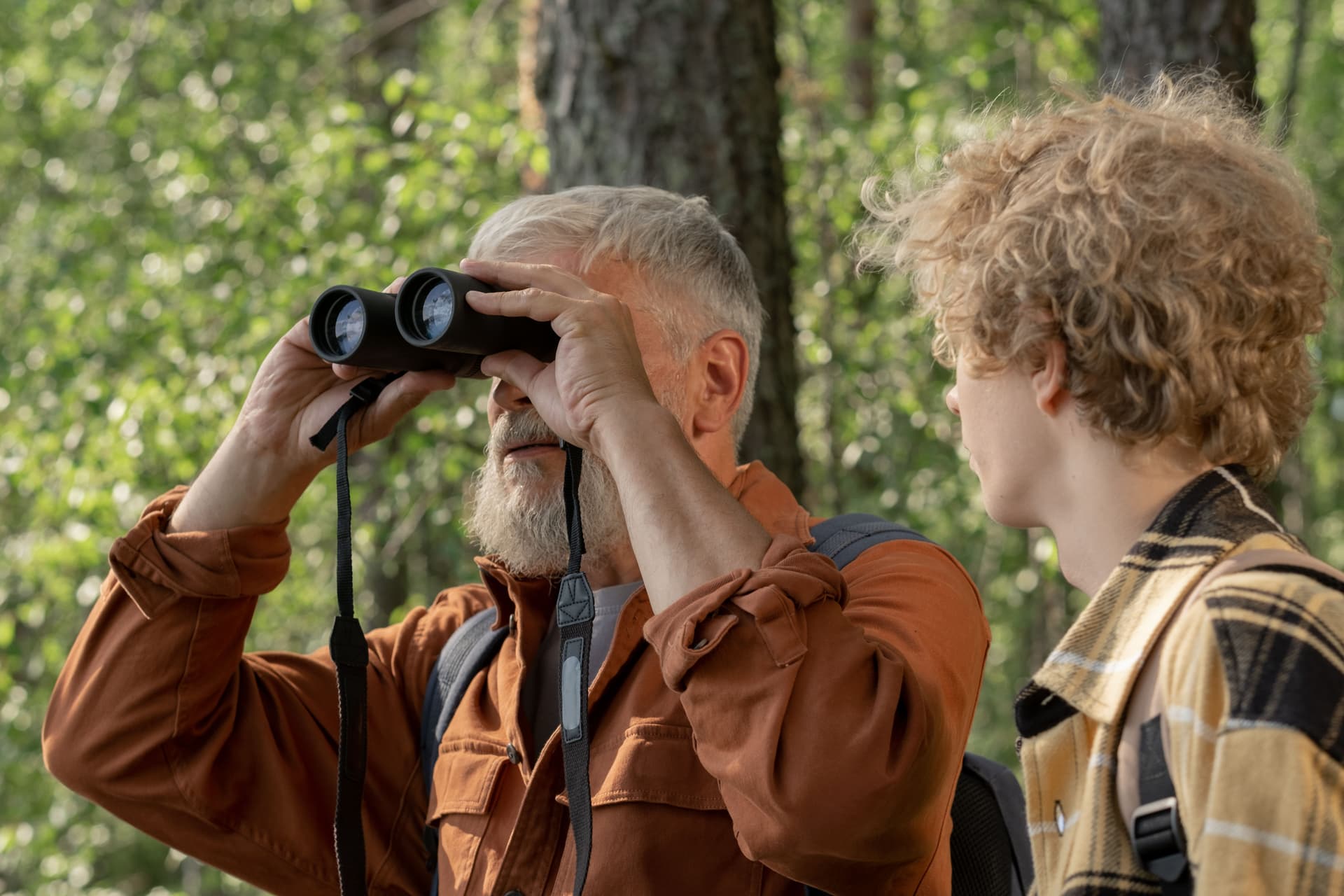
Plan your itinerary to accommodate the unique developmental needs of your children. Consider how to keep each family member engaged throughout the journey. Discuss with your family what experiences they are most interested in seeing.
Assess your children's tolerance for long travel times before finalizing your route. Prioritize child-friendly accommodations that offer space to rest. Set a pace for your expedition that allows for unexpected needs.
How should you prepare for safari health questions?
Ask a qualified medical professional to conduct an individual health assessment for your family. WHO explains that travel health risks depend on the traveller's health, type of travel and destination. Consult your clinician about health risks relevant to your specific destination.
Consider what specific medical records must be translated for the local healthcare providers at your final destination. Plan to keep digital backups of all health assessments in a secure cloud storage account for accessibility.
WHO recommends a travel-clinic visit preferably four to eight weeks before departure or earlier, while noting that a visit is useful even shortly before departure. Discuss necessary vaccinations and malaria prophylaxis with your doctor well before you leave. WHO notes additional travel-health considerations for infants and young children. Bring a well-stocked kit of familiar medications and necessary health supplies. Request a written list of specific emergency medications that your family should carry during all daily excursions. Check the local pharmacy availability for common pediatric treatments to prepare for potential supply chain interruptions abroad.
How should you prepare for safari health questions?
Keep all your essential health documents organized and easily accessible for border screenings. Prepare your children for potential temperature checks or surveillance forms. Read all transit requirements provided by your transit authority. Discuss with your airline the exact requirements for displaying medical documents during the international boarding gate process. Plan to store all essential travel documents in a waterproof container to protect them from environmental hazards.
WHO advises comprehensive travel insurance and declaring underlying health conditions to the insurer. Verify the current entry requirements for health insurance and vaccine certificates. Confirm all required documentation is valid before you arrive. Check the exact liability coverage provided by your insurer for medical evacuations in remote wilderness area locations. Consider what written documentation the insurer requires to validate emergency claims made during your international trip abroad.
What should you know about establishing a Manageable Safari Rhythm?
Plan your route to prioritize your children's capacity for engagement over game density. Allow for ample rest periods during the day. Consider how much downtime should be included in your daily itinerary.
Plan a secondary itinerary that accounts for sudden changes in your children’s energy levels or mood states. Discuss with tour operators how they manage flexibility when young children require immediate changes to activity schedules.
Consider which months of the year you are visiting and how the climate will impact your plans. Look for accommodation that provides comfortable shade during the hottest hours of the day. Plan your game drives for the early morning or late afternoon to avoid peak heat. Consider the specific thermal clothing requirements for your children during early morning game drives in cold temperatures. Plan to pack extra cooling supplies if your visit coincides with the region's most extreme seasonal heat.
What should you know about private Vehicles and Flexibility?
Consider opting for a private vehicle to maintain control over your schedule. Discuss with your operator the flexibility of private game drives. Ask whether a private vehicle can be returned to camp at any time. Request a written summary of the private vehicle policies regarding meal times and child-specific comfort breaks daily. Check if your operator provides specialized equipment for children to stay engaged during longer private game drives.
Confirm with your operator that child-appropriate seating is installed in your vehicle. Verify that your vehicle setup supports the specific safety requirements for your children. Discuss with your operator how to minimize conflicts with other guests. Confirm the specific safety restraint standards your operator uses for securing young passengers inside the safari vehicles. Discuss how to handle behavioral expectations with the driver to ensure a safe environment for all occupants.
How do you compare accommodation and included services?
Look for lodges that specify their perimeter fencing and safety measures. Keep children under constant parental supervision while in wilderness environments. Ask management what safety protocols they have for children on-site.
Request details on the lodge’s specific emergency response training for staff who supervise children in wilderness areas. Consider what specific nighttime security measures are in place to ensure children remain safe within lodge boundaries.
Read the occupancy rules for your chosen lodge. Report to reception immediately upon your arrival. Confirm with the management authority that you have understood all environmental regulations. Check if the lodge requires signed liability waivers regarding parental responsibility for children in outdoor common areas. Plan to review the lodge's environmental conduct code with your children before entering the main facility grounds.
What should you know about adhering to Official Park Rules?
Keep all doors closed and body parts inside the vehicle at all times. Ask the park authority where it is safe to exit your vehicle. Verify the park statutes regarding where you are permitted to drive.
Discuss with your guide the specific signals used to communicate vehicle safety needs without causing guest anxiety. Check if the park authority provides printed guides regarding safe behavior inside vehicles for younger park visitors.
Keep your noise levels low to respect the natural environment. Leave personal audio devices packed away while in public areas. Consider how your actions might impact the wilderness experience of others. Plan how you will manage your children’s noise levels to ensure they do not disturb the natural surroundings. Consider if you have brought quiet activities that maintain your children's engagement without producing audible environmental noise.
What should you know about wildlife Interaction and Environmental Stewardship?
Teach your children never to feed or intentionally disturb wildlife. Explain why human reliance is dangerous for wild animals. Consider how to model respectful behavior during your visit.
Ask the park experts about specific educational materials available to help children understand wildlife conservation during visits. Plan a discussion with your children regarding the potential consequences of feeding animals for human safety interests.
Avoid littering and do not remove any items from the park. Model respectful behavior so your children understand the importance of conservation. Check the park rules regarding firewood and flora. Check whether your lodge has specific protocols for the proper disposal of waste to prevent attracting local wildlife. Consider assigning your children a specific role in monitoring your group’s environmental impact throughout the entire trip.
Which entry and document questions need official confirmation?
Carry valid identification for every member of your family at all times. Check passport-validity requirements with the responsible authorities for your nationality, destination, transit points and actual travel dates. Ask whether you need additional documents for each checkpoint.
Confirm the exact type of identification required for minors at land border checkpoints before starting your transit. Plan to keep physical copies of all birth certificates and parental consent forms in your primary bag.
Plan your transit schedule to align with official gate operating hours. Set contingencies for potential road condition delays. Avoid driving during unauthorized hours. Check the official closing times of all park gates to avoid arrival penalties or denied entry status. Plan to carry extra food and water supplies in case road conditions cause unexpected transit delays today.
How do season and regional conditions affect your plans?
Research the climate profile of your destination for the specific month of your visit. Consider how seasonal weather shifts might affect your road accessibility. Set realistic expectations regarding weather and wildlife activity.
Consider how unpredictable weather patterns might require you to modify your vehicle route and daily activity plans. Discuss with your local travel expert which wildlife viewing locations remain accessible during the rainy seasonal months.
Check the holiday dates relevant to your actual destinations and school calendar. Consider traveling outside of peak holiday dates for a more serene experience. Discuss with your operator how holiday density might affect your lodge availability. Confirm if your chosen lodge imposes different service terms or child policies during high-density local holiday periods. Plan to book your activities well in advance to ensure availability during peak holiday travel seasons locally.
How do you turn this guidance into a travel plan?
Use the guidance below to compare your options, check current official information and ask the operator for written clarification before committing.
- Define your travel priorities and practical constraints.
- Compare routes, inclusions and the stated price basis.
- Check current requirements with the relevant official authorities.
- Ask the operator to confirm the arrangements and terms in writing.
Who is this suitable for?
This guidance is for travelers comparing routes and asking practical questions before booking directly with an operator. It is not a substitute for personal medical or legal advice, a live availability check or a guaranteed wildlife sighting.
Frequently asked questions
How do I ensure my booking is verified and secure?
Choose to book only through recognized, official operators. Record all communication with your chosen agency in writing. Verify the legitimacy of your operator before sharing sensitive personal or financial information.
What is the policy regarding children and specific activities?
Check the specific age restrictions for activities at each of your chosen lodges well in advance. Ask whether your planned activities are suitable for your children's specific ages. Consider alternative arrangements if certain activities are restricted to older guests.
Are there issues with currency or international exchange?
Clarify if prices are provided in the local currency or as an estimate. Discuss available payment methods and international transaction capabilities with your operator. Request a full breakdown of costs before finalizing your booking.
What happens if we need to cancel our safari?
Review the specific cancellation terms provided by your chosen lodge or tour operator. Compare comprehensive travel insurance policies to identify which best cover family-related cancellations. Ask your insurer how they handle claims for family emergencies.
How is my family's privacy handled during the trip?
Inquire about your operator's specific data handling and privacy policies. Consider what personal images or data you are comfortable sharing during your trip. Ask how the operator protects the privacy of guests, especially regarding photographs of children.
Your next step
Consider how to balance your family's need for structure with the adventure of a safari. Plan to use private vehicles to maximize your family's flexibility. Discuss with your travel providers how they support realistic daily rhythms for children.
Seek guidance from your medical clinician regarding the specific needs of your family. Verify that all your travel documents are current for every family member. Contact reputable operators who demonstrate a clear understanding of traveling with children.
Official sources and further checks
Continue reading
Family Safari: How to Choose
Family Safari: How to Choose. Practical planning, careful comparisons and questions to ask before booking directly with a safari operator.
Your First Safari: A Practical Guide
Your First Safari: A Practical Guide. Practical planning, careful comparisons and questions to ask before booking directly with a safari operator.
Safari Health and Entry: Where to Check
Safari Health and Entry: Where to Check. Practical planning, careful comparisons and questions to ask before booking directly with a safari operator.