
Kruger National Park: Plan Your Visit
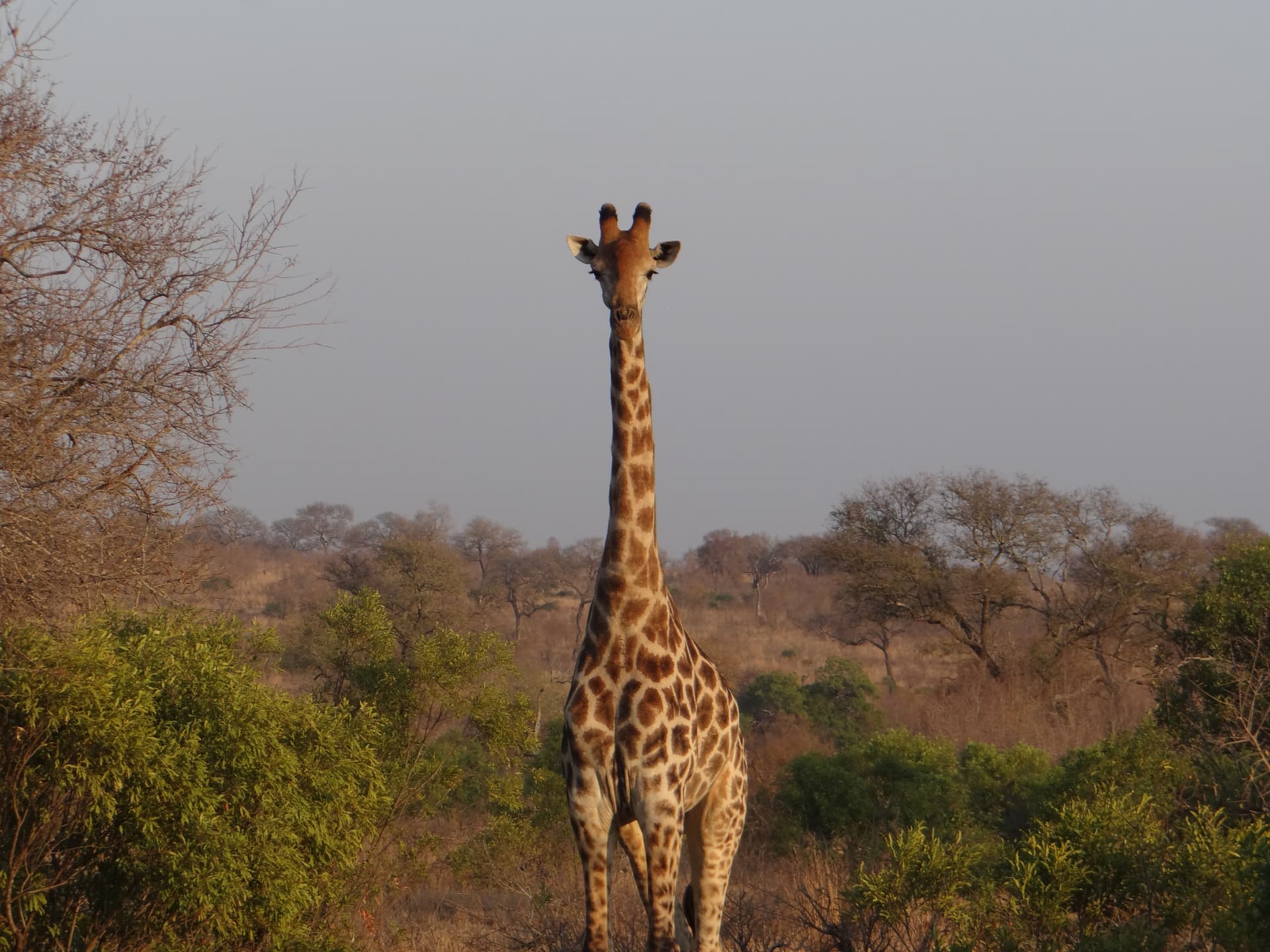
Consider the scale of the park and the logistical framework managed by SANParks when you begin your travel preparations. Plan your visit to ensure every excursion aligns with both your personal safety and the park's conservation goals. Review how the management of these protected ecosystems influences the planning of your journey.
Confirm the distinction between the national park and adjacent private reserves to tailor your safari expectations effectively. Consult official resources to understand the regulatory environment governing your interactions within the territory. Look into regional landscape differences and seasonal variations to inform your travel preparations.
What should you know about navigating Park Management and Overnight Stays?
Review the structured tourism approach provided by SANParks, which emphasizes visitor security and sustainability. Choose your accommodation style, noting the range of options from rest camps to exclusive facilities. Confirm all reservations through official channels before your arrival to ensure adherence to park regulations.
Consider the operational requirements and limited resources of remote camps when planning your stay. Check the specific check-in and checkout protocols for your chosen accommodation. Plan your logistics thoroughly if you intend to bring your own vehicle or use self-catering units.
How do you compare accommodation and included services?
Check which rest camps offer fuel and retail facilities. Verify the cleaning schedules and specific cooking or refrigeration amenities included with your chosen unit type. Clarify all service details directly during the booking process.
Which entry and document questions need official confirmation?
Confirm the gate and camp times applicable to your specific reservation. Verify the rules regarding guided night drives versus independent self-driving. SANParks requires vehicles to remain on designated roads. Check all reservation conditions and fees directly with SANParks before your travel.
What should you know about choosing Between Self-Drive and Guided Experiences?
Consider whether you prefer independent navigation or engaging a professional safari operator. Verify your familiarity with park rules and navigation if you opt for a self-drive experience. Keep to marked speed limits and remain inside your vehicle at all times in dangerous animal zones.
Consider the educational benefits and logistical ease provided by guided safari services. Ask whether your chosen guide can provide specific insights into the local flora and fauna. Consider how wildlife movements affect your sighting expectations.
What should you know about responsible Wildlife Observation?
Keep a respectful distance from all animals to avoid disturbing their natural behavior. SANParks prohibits feeding or intentionally disturbing wildlife. Prioritize the safety of the environment over obtaining close-range photographs.
How do season and regional conditions affect your plans?
Consider how the varying topography of the northern, central, and southern regions might impact your trip. Research the distinct habitat types, such as riverbeds and savannahs, found in different sections of the park. Do not assume uniform wildlife densities across all areas of the landscape.
Consider how seasonality influences road accessibility and vegetation density. SANParks describes April to September in Kruger as a period with warm, dry days and cold nights. Plan your visit by studying regional dynamics across the twelve months of the year.
What should you know about variability Across the Park?
Consider how the northern vegetation types differ from those in the south. Ask how seasonal water availability changes your potential wildlife encounters between January and August. Adjust your expectations according to the conditions specific to the time of your visit.
How should you prepare for safari health questions?
Review all established park regulations to ensure your conduct supports conservation and visitor safety. Seek advice from a qualified medical professional regarding malaria risks and health assessments before your departure. Request a personal health evaluation from a clinician to account for your individual needs.
Check the specific rules regarding the prohibition of drones and the possession of firearms. SANParks prohibits drone use inside and over its national parks. Review all current regulations to ensure compliance.
Which entry and document questions need official confirmation?
Read all conditions of entry and documentation provided with your booking. Ask your provider which forms require your acknowledgement before arrival. Verify the adequacy of your personal insurance cover for all planned activities.
What should you know about prohibited Activities and Guest Conduct?
Check the restrictions regarding alcohol consumption in public spaces and for day visitors. SANParks requires permission for removing plants, animals, or natural or cultural items from a park. Ensure that you treat the natural environment with respect and do not litter.
Keep noise levels low to avoid disturbing fellow guests and the natural atmosphere. Avoid any obstruction of park officials. Make an effort to minimize your environmental impact while inside the park.
What should you consider about safety and safari etiquette?
Verify the speed limits applicable to your specific vehicle size and type. Maintain mandatory adherence to designated roads to prevent ecosystem damage. Drive with caution, especially when pedestrians or animals are nearby.
Which entry and document questions need official confirmation?
Consider that park tariffs are set by management and may be subject to change. Plan your financial logistics to accommodate limited cash withdrawal facilities. Confirm which payment methods are accepted at your specific gate and camp location.
Consider how conservation fees and levies support the park. Compare costs between operators by accounting for service levels and the inclusion of specific amenities like meals. Consider how exclusivity influences the pricing structure of private reserves.
What should you know about currency and Payment Considerations?
Use your original quoted currency when comparing costs. Confirm whether your providers accept cards or cash and identify any deposits required. Avoid relying on in-park access to working cash machines or currency exchange.
What should you know about the Reality of Wildlife Viewing?
Consider that wildlife sightings are dependent on animal instincts and environmental conditions. Assess the biodiversity of the area when planning your expectations for species sightings. Plan your trip with the awareness that successful viewing often involves luck and patience.
Try traveling slowly to increase your chances of successful observation. Dedicate time to watering holes during the early morning and late evening hours. Keep patience as your most valuable tool for your journey.
What should you know about managing Expectations?
Focus on the entire ecosystem rather than just the expectation of seeing the Big Five. Observe the birdlife, insects, and vegetation for a more rewarding experience. Avoid planning your itinerary solely around the behavior of elusive animals.
Which equipment fits your safari plans?
Bring high-quality binoculars and reference books to assist in identifying local fauna. Pack clothing for variable temperatures to accommodate both cold morning drives and intense midday heat. Ensure you are prepared for the range of conditions you might encounter.
Bring essential health items including sunscreen, hats, and insect repellent. Pack a light source for areas with limited nighttime lighting. Exercise caution and use proper illumination if you walk after dark.
Which equipment fits your safari plans?
Include treatments for potential insect bites or allergic reactions in your medical kit. Bring reference materials to enhance your educational experience while in situ. Ensure you are fully equipped for your own comfort within the natural environment.
How do you turn this guidance into a travel plan?
Use the guidance below to compare your options, check current official information and ask the operator for written clarification before committing.
- Define your travel priorities and practical constraints.
- Compare routes, inclusions and the stated price basis.
- Check current requirements with the relevant official authorities.
- Ask the operator to confirm the arrangements and terms in writing.
Who is this suitable for?
This guidance is for travelers comparing routes and asking practical questions before booking directly with an operator. It is not a substitute for personal medical or legal advice, a live availability check or a guaranteed wildlife sighting.
Frequently asked questions
Can I book my safari directly with an operator through this platform?
Discuss any booking requirements directly with SANParks or authorized independent safari operators. Verify whether your preferred service provider is officially authorized before making any payments.
How are currencies and potential exchange rate issues handled?
Confirm the specific currencies and payment methods accepted by SANParks and your chosen provider prior to your departure. Compare your home currency against published rates to understand your budget, noting that this is not a binding quote. Check whether cash, credit cards, or exchange services are available at your specific entry gates, camps, or service points.
What is the policy regarding children in the park?
Review the specific age restrictions for activities to ensure they are suitable for all minors in your group. Consult the official park guidelines before you finalize bookings for any tours or safaris. SANParks states that some park activities have age restrictions for safety reasons.
Are cancellations and photo policies covered here?
Review the cancellation policies and booking terms specific to your chosen facility or operator. Respect wildlife and the privacy of others by following all park regulations regarding photography. Confirm that your photographic conduct does not involve the disturbance of any animals.
Is there a contact address for further assistance?
Check the official Legal Information section of your service provider for accurate contact details. Seek out verified operator information rather than relying on unconfirmed personal contacts.
Your next step
Consider how your preparation for a visit to Kruger National Park aligns with the goal of respecting its protected landscape. Plan to prioritize strict adherence to all official park regulations during your stay. Confirm that your expectations for wildlife sightings remain realistic while you manage all logistics through authorized channels.
Keep in mind that the park is a dynamic natural environment requiring vigilance for the safety of both visitors and wildlife. Use official resources as your primary guide for current park information. Approach your visit with the patience and responsibility expected of a guest in a significant natural reserve.
Official sources and further checks
Continue reading
South Africa Safari Planning Guide
South Africa Safari Planning Guide. Practical planning, careful comparisons and questions to ask before booking directly with a safari operator.
Self-Drive Safari: How to Choose
Self-Drive Safari: How to Choose. Practical planning, careful comparisons and questions to ask before booking directly with a safari operator.
Your First Safari: A Practical Guide
Your First Safari: A Practical Guide. Practical planning, careful comparisons and questions to ask before booking directly with a safari operator.