
South Africa Safari Planning Guide
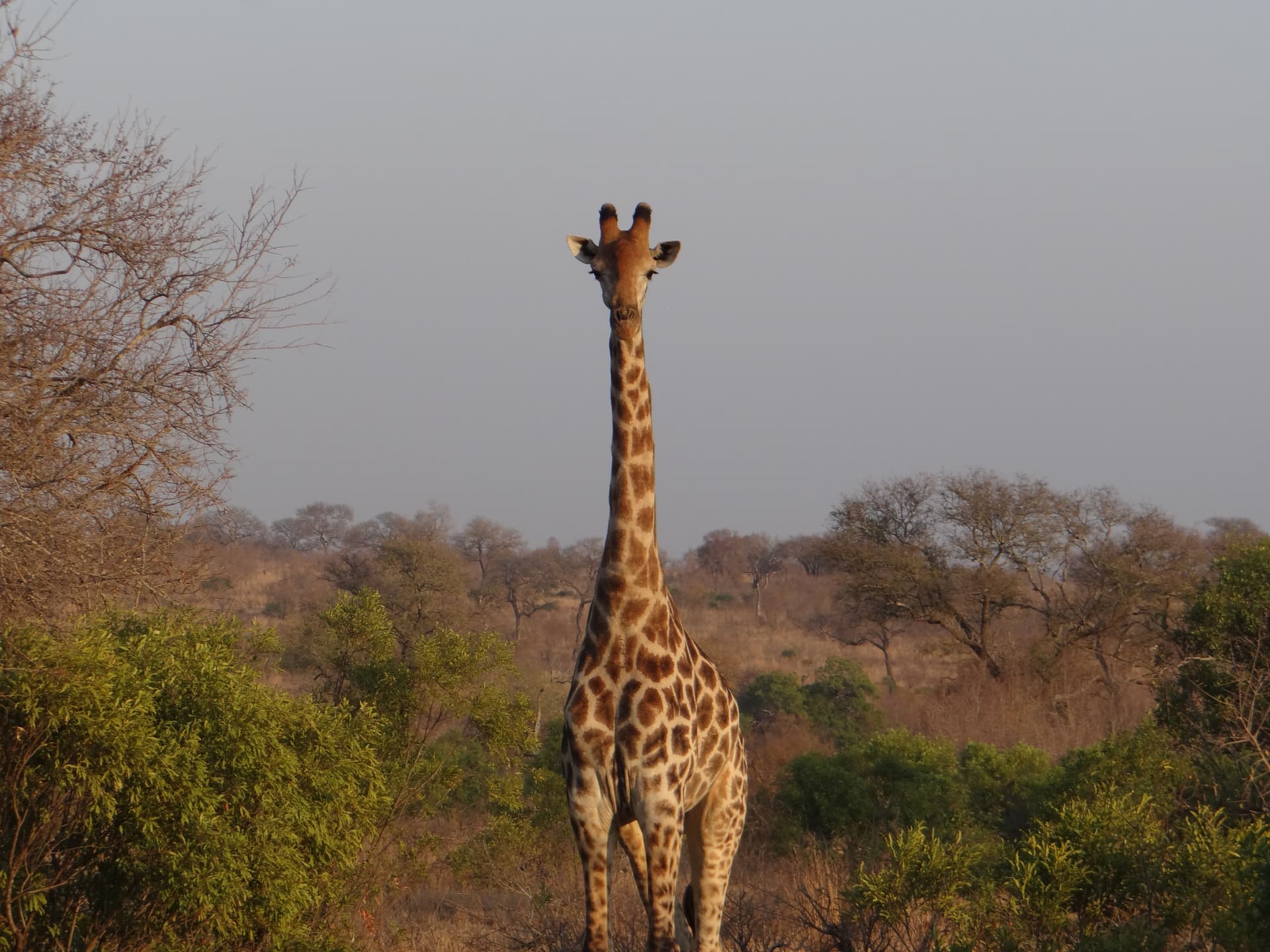
Plan your itinerary by researching the specific climatic and geographic requirements of your chosen parks.
Consider prioritizing intentional exploration over covering excessive distances to better appreciate the landscape. Review the official logistical requirements for your specific route and mode of transport.
What should you know about understanding Regional Landscapes and Parks?
SANParks describes April to September in Kruger as a period with warm, dry days and cold nights. SANParks describes the Cape Peninsula climate as cool, wet winters and warm, dry summers. Compare the offerings of various private reserves and national parks to determine which environment suits your preferences.
Consider what specific amenities you require to enjoy your wildlife viewing experience comfortably. Discuss your personal wildlife interests with your travel companions before selecting a final destination. Plan a budget that covers park entry fees and optional guided tour costs for reservations. Request detailed brochures or digital guides to review the infrastructure available at each national park.
Compare the actual routes, available accommodation, and planned activities for parks like Addo Elephant National Park or Hluhluwe-iMfolozi. Seek advice from an appropriate clinician to assess health risks specific to your full itinerary. Contact the relevant park authority to obtain the most accurate visitor information for your destination. Check the cancellation policies for all your accommodation bookings before finalizing any payments to providers. Plan to keep digital and paper copies of all booking confirmation documents during your journey. Ask your tour operator about the emergency response protocols for your specific remote camp locations. Review the medical evacuation coverage included in your travel insurance policy before visiting these areas.
How do season and regional conditions affect your plans?
What are the typical weather patterns and vegetation conditions in your destination for January and February? How do climatic trends in March and April affect the terrain and accessibility of your chosen parks? Consider how daily temperature fluctuations might influence your packing list for morning and evening game.
Plan your activity schedule to avoid peak heat hours during the warmest times of day. Check long range forecasts to determine if seasonal road conditions could affect your travel route. Discuss alternative sightseeing options in case weather conditions limit your ability to visit specific parks.
How do weather conditions and temperatures vary in your selected region during May, June, July, and August? What should you expect regarding rainfall and heat during the transition months of September, October, November, and December? Check current local conditions for your specific park and overnight location rather than relying on regional generalisations. Consider the impact of humidity on your camera equipment and other sensitive personal electronic devices. Ask local tourism boards about the best observation months for specific animal migration patterns nearby. Plan to pack versatile layers of clothing to manage changing temperatures during your safari adventure. Review historical weather data for your specific dates to prepare for potential rain or wind.
What should you know about transit and Park Operations?
Check the specific driving, gate, and camp rules for every park on your route. SANParks requires vehicles to remain on designated roads. Clarify with the park authority whether any specific guided activities are permitted in your own vehicle.
Consider how your vehicle clearance levels match the terrain descriptions provided for your target roads. Plan to carry a physical paper map as a reliable backup for your GPS navigation systems. Check the maximum speed limits for different park zones to avoid any potential traffic fines. Discuss the required maintenance checks for your rental vehicle before starting your long safari journey.
Verify if your chosen vehicle dimensions are suitable for the terrain and roads you intend to traverse. Plan to carry sufficient supplies and fuel, noting that availability may be limited in remote sectors. Consider where you will refill your vehicle fuel tank during your transit between remote camps. Plan to store extra water supplies in case of unexpected delays on your driving route. Check the weight capacity of your vehicle to ensure you do not overload your storage. Request instructions from your vehicle rental company regarding assistance if you experience a flat tire.
How do you compare accommodation and included services?
Confirm the specific kitchen inclusions and meal services provided at your accommodation at the time of booking. Consider your dietary requirements and request specific meal adjustments well before your arrival date occurs. Plan to bring non perishable snacks that satisfy your personal nutritional needs during long excursions.
Check if your accommodation provides potable water or if you must bring your own bottles. Discuss with staff the availability of cooking utensils if you plan to prepare your meals.
Report to reception immediately upon arrival at your campsite. Clarify the specific regulations regarding noise, smoking, and alcohol consumption at your chosen rest camp. Consider bringing a high quality torch or lantern for navigating your camp area at night. Plan where to store your waste responsibly to prevent wildlife from accessing your campsite area. Check the designated quiet hours for your camp to ensure you respect other visitor needs. Request information about the camp security measures provided for visitors staying in shared zones.
How should you prepare for safari health questions?
Keep all vehicle windows and doors closed to ensure safety during wildlife encounters. SANParks prohibits feeding or intentionally disturbing wildlife. Store all food securely to avoid attracting wildlife to your accommodation area.
Consider the safety of small children during all wildlife viewing interactions while inside the vehicle. Plan to keep binoculars within reach for observing wildlife from a safe and respectful distance. Check the park rules regarding the maximum number of vehicles allowed at any wildlife sighting. Discuss safety guidelines with your group to prevent accidental provocation of any nearby wild animals.
Discuss your individual travel health requirements with a professional, considering your specific route and season. Read the reservation documents and park rules supplied by the responsible authority for your specific stay. Consider which emergency contact numbers you should save in your mobile phone before entering parks. Plan to carry a physical copy of your identification and insurance documents at all times. Check the validity of your travel documents to ensure compliance with all regional entry requirements. Request a printed copy of the park rules if you have concerns about the regulations.
How can you plan responsibly and respect protected areas?
Adhere strictly to all fire prevention, smoking, and cooking regulations mandated by the park. Consider the environmental impact of your camping habits by choosing responsible disposal methods for waste. Plan to monitor your cooking fires constantly to maintain complete safety for the surrounding ecosystem. Check the current fire risk level at the park office before lighting any controlled flames. Discuss fire safety protocols with your camp neighbors to ensure communal understanding of all risks.
Which entry and document questions need official confirmation?
SANParks prohibits drone use inside and over its national parks. SANParks requires permission for removing plants, animals, or natural or cultural items from a park. Declare all dangerous goods at the gate as required by entry conditions. Consider leaving your drone equipment at home to strictly avoid breaking the park flight regulations. Plan to photograph only the natural surroundings without collecting any specimens for personal souvenir collections. Check the list of prohibited items provided in your welcome packet before passing through gates. Request clarification from gate staff if you are unsure whether your gear constitutes a risk.
Frequently asked questions
Can I book my safari directly through this website?
Discuss your booking needs with professional third-party safari operators or official park reservation systems.
How are prices handled, and what currency should I use?
Confirm all billing terms, payment methods, and current reservation rates directly with your chosen service provider.
Are there specific rules for children on safari?
Contact your chosen lodge or park operator to inquire about the suitability of specific game activities for your children. SANParks states that some park activities have age restrictions for safety reasons.
What is your policy on photography and privacy?
Verify the current park-specific rules regarding vehicle proximity and conduct before recording your experience.
Who should I contact regarding my booking or specific questions?
Direct all inquiries concerning your specific travel dates or booking status to your designated accommodation provider.
Your next step
Consider how your preparation for a South African safari aligns with local regulations and environmental conditions. Plan to consult the official websites of park authorities for the most current rules, gate times, and specific medical advice before you travel.
Official sources and further checks
Continue reading
Kruger National Park: Plan Your Visit
Kruger National Park: Plan Your Visit. Practical planning, careful comparisons and questions to ask before booking directly with a safari operator.
Your First Safari: A Practical Guide
Your First Safari: A Practical Guide. Practical planning, careful comparisons and questions to ask before booking directly with a safari operator.
Safari with Children: Plan Around Your Family
Safari with Children: Plan Around Your Family. Practical planning, careful comparisons and questions to ask before booking directly with a safari operator.