
Self-Drive Safari in Namibia

Consider the logistical demands of traveling through Namibia's sparsely populated areas before finalizing your plans. Plan for the specific requirements of navigating rugged terrain at your own pace.
Discuss your planned route with experienced parties to ensure your vehicle selection is appropriate. Review the regulatory frameworks of the national parks you intend to visit. Consider the challenges of gravel road travel when setting your daily schedule.
What should you know about vehicle Suitability and Technical Readiness?
FCDO warns that many gravel roads in Namibia deteriorate during the January-to-April rainy season. Discuss vehicle specifications such as tire integrity and undercarriage protection with your rental agency. Plan for sufficient spare tire capacity for your specific route.
Check the rental agreement for specific limitations regarding which types of gravel roads are covered. Request a written list of emergency contact numbers for all service providers along your intended route.
Confirm the terms of your rental contract regarding speed monitoring and unauthorized road travel. Check how tracking systems affect your insurance coverage before departure. Compare the insurance policy details against the specific locations you intend to visit during your trip. Review your contract for clauses concerning potential liability in the event of an unauthorized road incident.
What should you consider about safety and safari etiquette?
Maintain a speed that accounts for the reduced traction and stone hazards common on gravel roads. Consider how you will manage vehicle damage assessments if you encounter severe road surface condition issues. Ask the rental agency for specific guidance on handling the vehicle during sudden gravel road slippage.
Inspect your vehicle daily, including headlights and tires. Ensure you have a functional jack, lug wrench, and emergency roadside assistance details before leaving the depot. Plan a consistent daily checklist to verify that all safety equipment remains accessible and fully functional. Confirm the availability of professional roadside assistance services at the most remote points of travel.
What should you know about conservative Route Planning and Fuel Logistics?
Plan for your journey to take longer than estimated to accommodate wildlife sightings and road conditions. Consider the impact of fatigue on your driving schedule in isolated regions. Consider establishing firm daily time limits to ensure you remain alert throughout your long journey.
Plan alternative stopover locations in case unforeseen delays prevent reaching your intended destination by sunset.
Avoid scheduling long drives immediately after arriving from an international flight. Allow yourself time to acclimate to driving on the left and the handling characteristics of your rental vehicle. Review your travel schedule to include mandatory rest periods after landing to ensure physical driving readiness. Consider practicing maneuvers in a quiet area to familiarize yourself with the rental vehicle handling dynamics.
What should you know about fuel Management Strategy?
Plan your fuel stops carefully based on your vehicle's range and the availability of stations. Keep a generous fuel reserve at all times. Check the exact fuel consumption rates for your specific vehicle model under challenging off-road driving conditions. Plan your route to include redundant fueling points to mitigate the risk of supply chain interruptions.
Carry sufficient water, non-perishable food, and first-aid supplies in your vehicle. Keep updated paper maps as a primary navigation tool rather than relying solely on electronics. Consider the weight capacity of your vehicle when packing extra supplies to ensure proper handling safety. Request detailed paper maps that highlight reliable sources of fresh water along your entire driving route.
How do season and regional conditions affect your plans?
Ask how road conditions in the north change during the January, February, March, and April rainy season. Consider alternative routes that might remain passable if your primary path faces seasonal rainy season closures. Ask for specific technical requirements if you must navigate muddy paths during the spring rainy season.
Check local road reports and park notices for May, June, July, August, September, October, November, and December. Consider that seasonal conditions can vary annually. Plan for extreme weather fluctuations by researching annual historical road reports for your specific travel dates. Consider how unpredictable annual conditions might impact your ability to maintain a strictly timed schedule.
What should you consider about safety and safari etiquette?
Keep vehicle doors locked and valuables secured in the trunk at all times. Be vigilant against distractions in urban centers or near airports. Review your security protocols for keeping vehicle contents protected while you are temporarily away from parking.
Consider keeping essential documents on your person to avoid loss if a theft incident occurs nearby.
Plan your itinerary to arrive at your accommodation before sunset. Avoid driving after dark to prevent potential accidents with wildlife. Plan your evening arrival times with a significant buffer to account for unexpected road debris situations. Consider scheduling your accommodation stays in locations that do not require driving after dark conditions.
Which entry and document questions need official confirmation?
Check which driving license and permit documents your rental company and destination require. Confirm all requirements for cross-border travel with your rental company before finalizing your plans. Request written confirmation from your agency that all provided permits are valid for international border crossings.
Check the specific legal requirements for vehicle ownership documentation needed to cross into neighboring country borders.
Clarify the exact location of border zones and restricted areas with park officials upon entry. Consult the official Ministry of Home Affairs and Immigration for the most current entry regulations. Confirm the exact protocols for reporting your entry and exit at all regional border zone crossings. Review the latest government entry regulations to ensure your documentation remains compliant for your entire trip.
What should you know about currency and Payment Practices?
Keep cash available for transactions in remote areas where electronic payment might be unreliable. Consider calculating the total cash needed for your entire remote transit to avoid running out prematurely. Request small denominations of local currency from banks to facilitate easier transactions in isolated rural regions.
Request that card machines be brought to you in restaurants to maintain control of your card. Check that your payment cards remain within your sight throughout the entirety of any restaurant transaction. Consider preparing alternative backup payment methods in case electronic terminals fail to process your specific cards.
How should you prepare for safari health questions?
Consult a clinical professional regarding your individual vaccination and immunization needs. WHO explains that travel health risks depend on the traveller's health, type of travel and destination. Review your personal health records to discuss all necessary vaccinations with your selected clinical medical professional.
Plan your medical visits early enough to account for any required waiting periods after receiving immunizations.
Maintain a personal medical kit with essential supplies. Seek guidance only from official government or authorized medical sources for your health protocols. WHO recommends a travel-clinic visit preferably four to eight weeks before departure or earlier, while noting that a visit is useful even shortly before departure. Check that your medical kit contains sufficient quantities of all prescribed medications for the entire duration. Confirm you possess current certifications for all health protocols required by authorities in your travel destination.
What should you know about evaluating the Guided Safari Alternative?
Consider joining a guided tour if the demands of route planning and vehicle navigation are too great. Consider the overall stress of self-navigation compared to the convenience offered by structured guided tour services. Plan for a trial period on simple roads to evaluate your comfort level with independent navigation responsibilities.
Discuss the option of hiring a professional tracker for guided excursions within the parks. Discuss the specific expertise of potential trackers to ensure they match your personal interests for excursions. Check whether hiring a professional tracker includes comprehensive safety coverage for your planned off-road adventure activities.
How do you turn this guidance into a travel plan?
Use the guidance below to compare your options, check current official information and ask the operator for written clarification before committing.
- Define your travel priorities and practical constraints.
- Compare routes, inclusions and the stated price basis.
- Check current requirements with the relevant official authorities.
- Ask the operator to confirm the arrangements and terms in writing.
Who is this suitable for?
This guidance is for travelers comparing routes and asking practical questions before booking directly with an operator. It is not a substitute for personal medical or legal advice, a live availability check or a guaranteed wildlife sighting.
Frequently asked questions
How do I make a reservation and who handles booking queries?
Contact the safari operator directly for all reservation requests. Check the official contact details for your operator if you have any questions regarding pending inquiries.
Are there specific requirements for traveling with children?
Verify the current entry requirements for minors, including documentation like birth certificates, with your nearest Namibian embassy. Ask whether your home country status affects the specific entry documentation needed for children.
Can I use my own currency and how are exchanges handled?
Consider that while the Namibian Dollar is the national currency, some locations may accept the South African Rand. Plan to use ATMs in secure, reputable bank environments for your cash needs.
What is the policy regarding cancellations and privacy?
Review the specific contract provided by your operator to understand their cancellation and data policies. Discuss any concerns regarding these terms with your service provider prior to booking.
How are prices structured and are there hidden costs?
Request a written, itemized quotation from your operator to clarify all costs. Verify the business scope of any service provider before engaging their services.
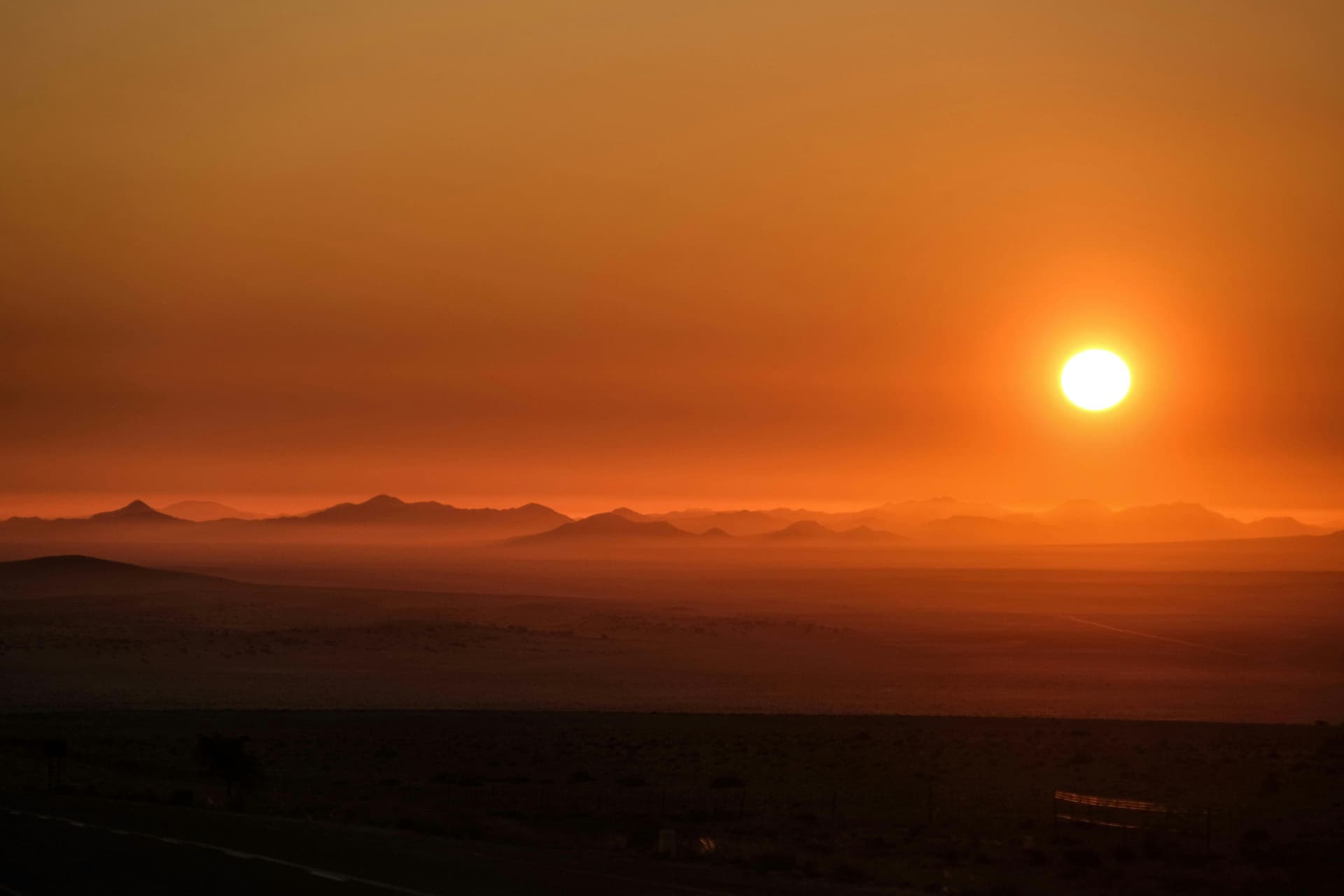
Are photographs shown on this guide representative of the specific vehicle I will drive?
Confirm whether the provided images reflect your actual itinerary and vehicle.
Your next step
Consider how your vehicle choice impacts your ability to navigate Namibia's diverse terrain safely. Plan to respect all local environmental and wildlife regulations throughout your journey. Confirm that your preparation includes adequate contingencies for vehicle readiness and personal safety.
Seek official guidance from government authorities regarding all entry and legal requirements. Review your specific travel needs with your selected service providers well in advance.
Official sources and further checks
Continue reading
Namibia Safari Planning Guide
Namibia Safari Planning Guide. Practical planning, careful comparisons and questions to ask before booking directly with a safari operator.
Namibia’s National Parks: A Planning Guide
Namibia’s National Parks: A Planning Guide. Practical planning, careful comparisons and questions to ask before booking directly with a safari operator.
Self-Drive Safari: How to Choose
Self-Drive Safari: How to Choose. Practical planning, careful comparisons and questions to ask before booking directly with a safari operator.