
Namibia’s National Parks: A Planning Guide
Consider the geographical and seasonal demands of Namibia's remote environments when planning your route.
Communicate clearly with safari operators to ensure your preparation aligns with your wilderness interests.
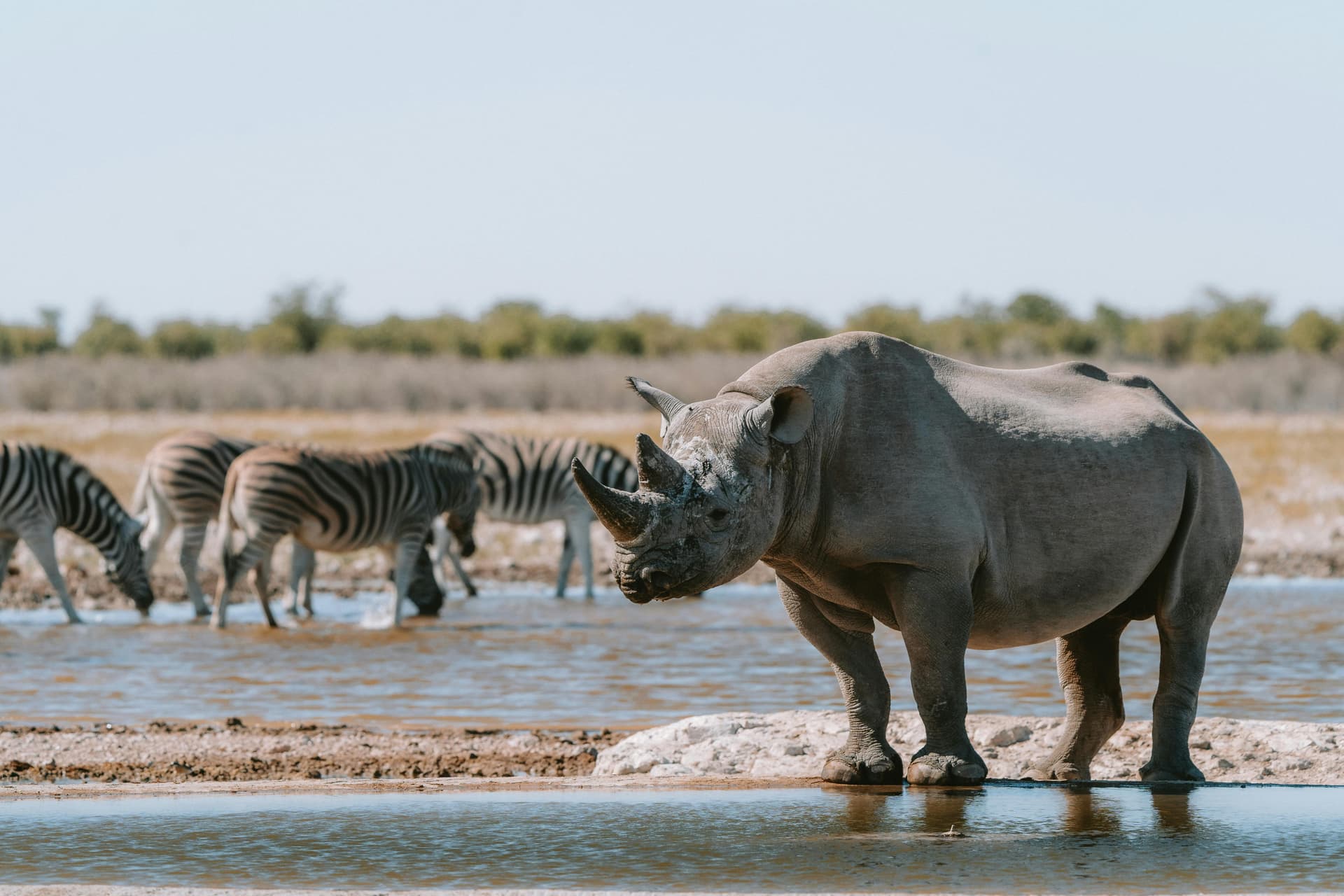
What should you know about etosha National Park and Wildlife Encounters?
Namibia Wildlife Resorts describes guided day drives and night drives in Etosha. Check the authority responsible for your itinerary and request written clarification of the applicable arrangements. Monitor local gate conditions and park regulations through official channels.
Ask which waterholes are most accessible during your chosen travel dates. Ask whether your travel insurance covers specific wildlife encounters during an active park safari excursion. Confirm the documentation requirements for all participants when entering these protected wildlife viewing zones today. Ask for a workable alternative route for any park-road closure on your proposed trip. Discuss personal safety protocols with your assigned guide before approaching any large wild animal areas.
Compare the amenities and proximity to wildlife offered by different camps and private concessions. Ensure you have adequate fuel reserves for driving distances within the park. Consult management authorities for updates on infrastructure and road conditions. Consider the specific maintenance records for your rental vehicle before venturing into remote wilderness terrain. Check the cancellation terms for your chosen camp bookings in the event of unexpected travel. Request a written list of emergency contact numbers for all remote park stations along route. Keep a physical map of the area accessible inside the glove compartment for immediate reference.
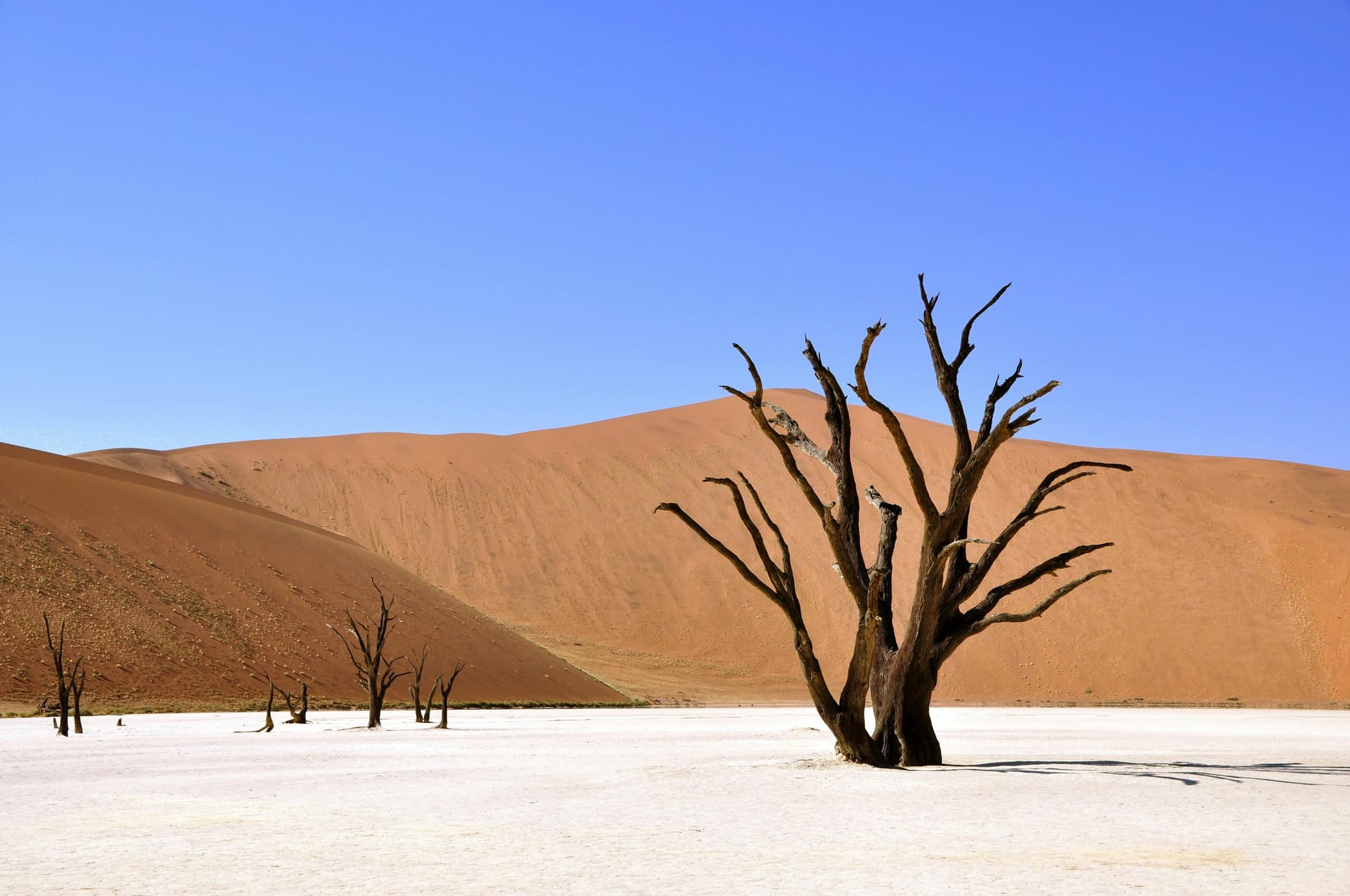
What should you know about namib-Naukluft Park and Desert Landscapes?
Consider the significant temperature fluctuations between day and night in the desert. Ask which insulating clothing materials provide the best protection against extreme overnight desert temperature drops. Confirm the storage requirements for sensitive electronic equipment during wide temperature fluctuations in this environment.
Plan for hydration needs by estimating water consumption requirements during peak heat of daylight hours. Check the manufacturer specifications for your vehicle cooling system before entering high heat desert zones.
Verify the status of park entries and restricted zones through official channels. Ensure your vehicle is capable of navigating sand and rocky terrain. Consider what specific recovery equipment is necessary for driving through deep sand or rocky patches. Request information regarding the nearest professional vehicle repair services outside the restricted park zone boundaries. Review your personal responsibility for any damage occurring to hired equipment within challenging desert terrain. Confirm if your current cellular plan provides reliable coverage throughout your planned desert trekking route.
What should you know about navigating the Dunes?
Check with site managers regarding current weather warnings and safety advisories. Keep to marked trails to protect the desert ecosystem. Discuss the environmental impact of your visit with local park staff before entering the area. Check if your planned waste disposal strategy complies with all local environmental protection policies provided. Plan to leave no trace by preparing suitable storage containers for all your generated waste. Ask about specific fragile zones where vehicle tracks cause permanent damage to the desert ecosystem.
What should you know about the Skeleton Coast and Coastal Wilderness?
Plan carefully for vehicle expeditions given the harsh conditions and shifting sandbanks. Check if your rental agreement explicitly covers vehicle recovery costs for driving on sandy dunes. Discuss the necessity of high-clearance four-wheel drive vehicles with experienced local rental agency staff today.
Plan an emergency communication strategy for locations where cellular service is completely unavailable for travel. Consider the weight distribution of your luggage to ensure optimal performance on shifting sandy surfaces.
Research entry requirements and permit needs well in advance. Verify that your planned route stays within approved areas. Confirm that all necessary permits are clearly displayed inside the vehicle at all times today. Request written confirmation from authorities regarding the current validity of your requested entry access permits. Keep a digital copy of all permit documentation on a secondary device for emergency review. Plan your departure time to ensure arrival at the gate before the designated closing hour.
What should you know about waterberg Plateau and Hiking Regulations?
Review the specific rules regarding wildlife safety and hiker security before your visit. Ask whether local guides are mandatory for walking through areas with high predator activity levels. Check the current safety guidelines for human behavior during unexpected encounters with large territorial animals.
Plan for emergency evacuation procedures in the event of injury while hiking in remote terrain. Discuss the risks of solitary hiking with park rangers to ensure your safety during visit.
Confirm the current status of hiking trails before departure. Bring sufficient water and appropriate gear for the hot and dry climate. Consider the weight and capacity of your water containers for long duration dry climate treks. Confirm the availability of reliable water refill stations located along your intended hiking path route. Request the latest trail map and check which trails are currently open to your booked activity. Review your first aid kit contents to ensure they address common injuries in dry climates.
What should you know about bwabwata and the Kavango Zambezi Contrast?
Appreciate the ecological complexity of the riverine forests and floodplains when planning your activities. Ask about seasonal bird migration patterns to better align your activities with natural ecological cycles. Check the specific equipment needed to photograph wildlife without disturbing their natural riverine forest habitats.
Consider hiring a specialist guide who can explain the intricate connections within riverine ecosystems. Discuss the importance of noise reduction when observing wildlife near these fragile floodplain river ecosystems.
Check for updates on seasonal flooding and park accessibility. Respect local habitat preservation policies and zoning rules. Consider the potential for seasonal access restrictions before booking your flights or accommodation for travel. Request real time updates on water levels from park authorities before planning any river activities. Check whether your insurance covers losses related to unexpected changes in park accessibility due floods. Plan your itinerary to allow for quick adjustments if specific zones become closed due weather.
How do season and regional conditions affect your plans?
The Namibia Tourism Board emphasises that temperatures vary with season and location. Are you prepared for the potential impact of rainfall on park accessibility between January and April? Consider the wildfire risks during the dry peak of September and October.
Ask for specific recommendations on appropriate clothing layers for unpredictable seasonal weather during your visit. Check the local fire safety regulations that apply to your planned campsites during peak season. Confirm if your accommodation provides adequate shelter or cooling options for extreme seasonal temperature fluctuations. Plan a flexible travel schedule that prioritizes safety during known peak rainfall or drought months.
Maintain flexibility in your travel itinerary for shifting conditions. Consult local experts or government tourism bodies regarding real-time conditions throughout the year. Ask about conditions for each month from January through December. Ask whether your travel insurance allows for itinerary changes based on local expert weather advice. Keep a list of alternative destinations available should current conditions render your primary route inaccessible. Request contact details for local emergency tourism support services before you begin your journey today. Discuss the possibility of refunds with operators if travel is impossible due weather changes.
What should you know about parks Versus Regions?
Verify if your planned activities are occurring within a park boundary or on private concession land. Ask about the differences in permitted activities between public national park land and private concessions. Check if your planned route requires separate permits for traversing through different land ownership types. Confirm your legal obligations regarding conduct while visiting land held under private tourism concession agreements. Consider the ethical implications of your choice between public park stay and private concession stay.
What should you consider about safety and safari etiquette?
FCDO warns that many gravel roads in Namibia deteriorate during the January-to-April rainy season. Ensure your vehicle is well-equipped with spares, tools, and reliable communication. Check the technical specifications of your vehicle to ensure suitability for gravel road driving conditions.
Ask the vehicle provider to estimate journey times for the specific gravel-road sections and planned stops. Request comprehensive instruction on changing tires and using emergency equipment from the rental company staff. Consider the necessity of a satellite phone if traveling through areas lacking standard cellular reception.
Avoid long-distance travel after dark. Confirm your rental vehicle is fully compliant with local insurance standards for gravel road travel. Tell your safari operator or accommodation provider your expected arrival times. Check your rental agreement regarding night driving restrictions and the penalties for any contractual violations. Request written proof of insurance validity for all listed drivers before starting your safari journey. Plan your day to ensure you reach your final accommodation destination before the sunset hour. Confirm that your emergency communication device functions properly before departing for remote safari regions.
How do you turn this guidance into a travel plan?
Use the guidance below to compare your options, check current official information and ask the operator for written clarification before committing.
- Define your travel priorities and practical constraints.
- Compare routes, inclusions and the stated price basis.
- Check current requirements with the relevant official authorities.
- Ask the operator to confirm the arrangements and terms in writing.
Who is this suitable for?
This guidance is for travelers comparing routes and asking practical questions before booking directly with an operator. It is not a substitute for personal medical or legal advice, a live availability check or a guaranteed wildlife sighting.
Frequently asked questions
How can I book a safari experience through a tour operator?
Contact professional operators directly to arrange your safari. Verify the scope of services, cancellation policies, and group sizes with your chosen operator. Ask whether the provider can customize the itinerary for children or specific interests.
How are payments handled regarding currency and conversion?
Check the accepted currency, payment methods, and fees directly with your provider. Plan for payment needs without assuming local cash machines or exchange services exist at remote stops.
What is the policy regarding children and privacy in photography?
Confirm age restrictions for specific lodges or activities before you book. Verify consent requirements with your operator if you intend to use images for commercial purposes.
Are there any health or medical advisories for my trip?
Consult your personal physician or a travel medicine clinician to discuss individual health needs. Consider the guidance provided in "health-clinic" when scheduling your medical consultation.
Your next step
Consider the seasonal nuances and regulatory frameworks of each park when planning your journey. Plan for the logistical demands of remote travel to ensure a safe and meaningful visit.
Check official government sources and authorized management agencies for accurate information regarding gate times, permits, and current park conditions. Discuss your itinerary and preparation directly with established safari operators.
Official sources and further checks
Continue reading
Namibia Safari Planning Guide
Namibia Safari Planning Guide. Practical planning, careful comparisons and questions to ask before booking directly with a safari operator.
Self-Drive Safari in Namibia
Self-Drive Safari in Namibia. Practical planning, careful comparisons and questions to ask before booking directly with a safari operator.
Wildlife Safari: How to Choose
Wildlife Safari: How to Choose. Practical planning, careful comparisons and questions to ask before booking directly with a safari operator.