
Photographic Safari: How to Choose
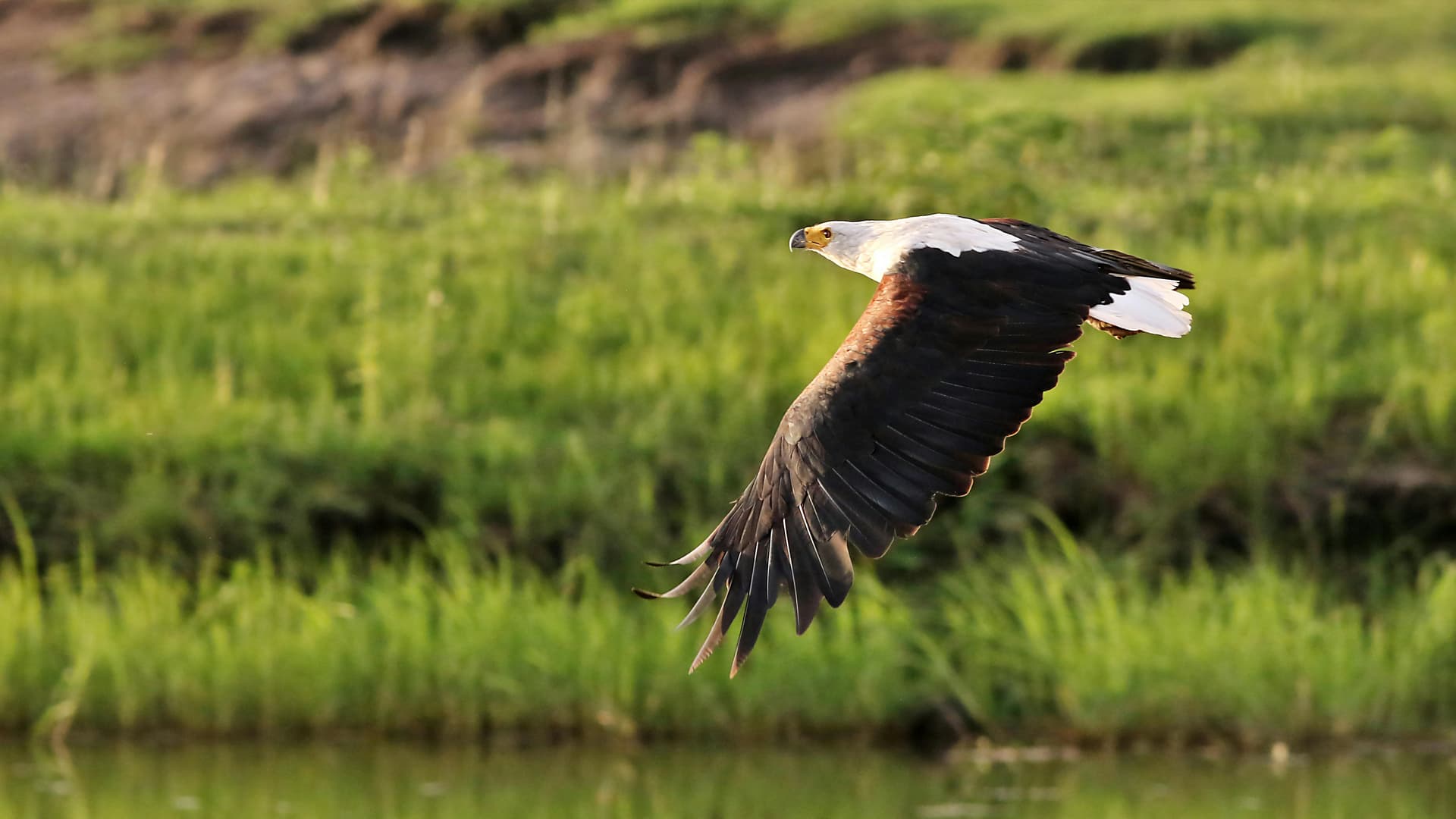
Plan your safari by identifying the specific environmental conditions you seek. Consider the patience required to capture wildlife imagery effectively. Ask the park management about the specific constraints applicable to your gear.
Check your camera settings and logistics to prepare for unpredictable wildlife movements. Discuss with your guide how to achieve appropriate vehicle positioning for photography. Set expectations for ethical conduct to ensure minimal habitat impact.
Which equipment fits your safari plans?
Compare the lighting conditions between January, February, March, April, May, June, July, August, September, October, November, and December. Plan your shoot timing by checking local sunrise and sunset data for the specific month of travel. TANAPA lists June to October as Serengeti dry-season migration orientation and January to February for calving.
Choose lenses that provide the reach required to keep a safe distance from wildlife. Use appropriate support equipment for your camera to stabilize shots within a vehicle. Read your equipment manuals to ensure gear is protected against local dust and temperature conditions.
How do season and regional conditions affect your plans?
Ask the park authorities about current seasonal accessibility and vegetation density. Consider if the dry or wet season better suits your desired subjects. Consult local experts on the current movement of animals towards waterholes.
What should you know about positioning and Mobility?
Compare the benefits of different vehicle types for your photographic needs. SANParks requires vehicles to remain on designated roads. Check the specific vehicle rules for the national park you intend to visit.
Consider spending more time at a single waterhole to anticipate animal activity. Ask your guide about the anticipated behaviour patterns of the local wildlife. Keep your vehicle within the authorized trails at all times.
What should you consider about safety and safari etiquette?
Check the park rules regarding remaining inside your vehicle. Ask what the official proximity requirements are for the animals you are observing. Discuss with your guide the rules against disturbing wildlife for better photography angles.
What should you know about workshops vs. Independent Drives?
Compare the structure of a photography workshop with a general safari. Ask whether the workshop provides dedicated support for your specific camera settings. Discuss the focus of the workshop to ensure your photographic needs are met.
Consider whether you possess sufficient knowledge of local terrain for a self-drive safari. Read the ethical constraints governing photography in your chosen protected area. Decide if you are comfortable managing navigation and wildlife observation simultaneously.
What should you know about ethical Wildlife Photography?
Ensure your photography methods focus strictly on documenting natural behaviour. Avoid any action intended to elicit a response from the animals. Check that your photography does not involve noise or movement-based disturbances.
Include plans for managing all your litter throughout the safari. Read the site-specific guidance on conservation and waste. Consider how a passive approach benefits the long-term conservation of the ecosystem.
How should you prepare for safari health questions?
Ask your medical clinician for a personal assessment regarding health risks and travel. Discuss your itinerary with a travel health clinic before departure.
Read the current permit requirements and conservation fees for your destination. Check the gate times for every park on your route. Discuss with authorities how to maintain full compliance to avoid legal penalties.
Frequently asked questions
Can I book a photography safari through an external operator?
Verify the operator's current professional credentials and ask for written confirmation of their compliance with park regulations.
Are safari prices standard?
Contact the operator directly to discuss their specific service levels and requested fees.
How do you verify the information in this guide?
Check the official websites of the national parks for the most recent updates on regulations.
Are there rules regarding photo usage and cancellations?
Ask whether your contract includes specific terms for cancellation or photography privacy.
Your next step
Consider what specific logistic preparations are required for your chosen destination. Ask the park authorities about the official regulations you must observe during your visit.
Keep a patient approach to increase your opportunities for natural sightings. Review how your visit supports the conservation efforts of the area.
Official sources and further checks
Continue reading
Safari Photography: Better Planning and Practice
Safari Photography: Better Planning and Practice. Practical planning, careful comparisons and questions to ask before booking directly with a safari operator.
A More Responsible Safari: Questions to Ask
A More Responsible Safari: Questions to Ask. Practical planning, careful comparisons and questions to ask before booking directly with a safari operator.
Safari Packing List: What Really Matters
Safari Packing List: What Really Matters. Practical planning, careful comparisons and questions to ask before booking directly with a safari operator.