
Kenya Safari Planning Guide
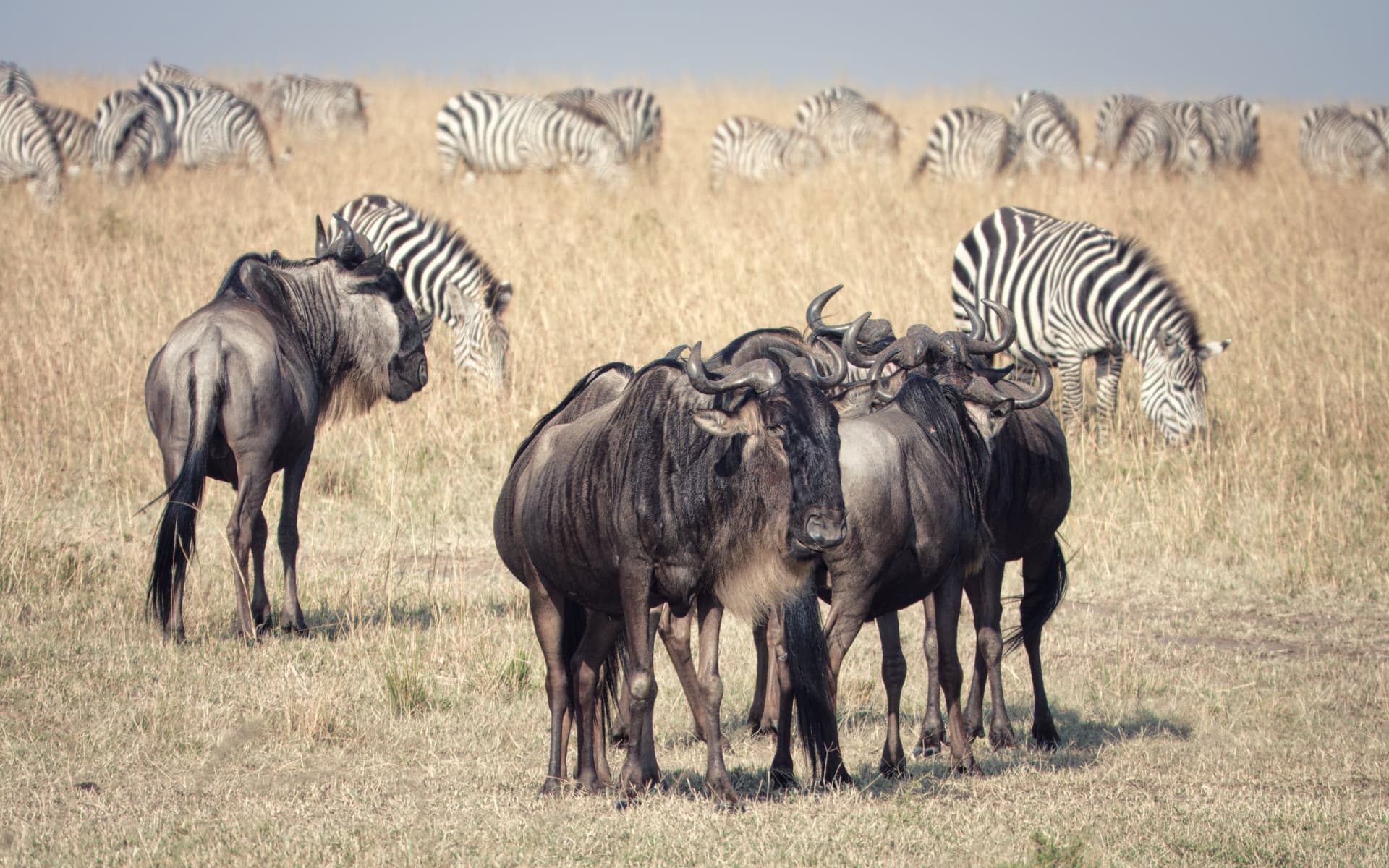
Consider how the diverse environments of the Maasai Mara, Samburu, and Laikipia conservancies might fit into your travel plans. Plan your safari by aligning your personal expectations with the specific regulatory and ecological conditions of your chosen regions.
Consider what personal objectives you wish to prioritize during your journey. Ask your operator about the specific regional nuances involved in visiting areas like the surroundings of Mount Kilimanjaro or private conservancies. Discuss how your chosen operator manages expectations regarding wildlife tracking and environmental conditions.
What should you know about the Maasai Mara National Reserve?
Consider how the wildlife density and predator-prey dynamics of the Maasai Mara influence your choice of dates. Ask your guide about the typical movement patterns of herds during your intended travel window. Consider what specific insurance coverage is necessary if your chosen travel dates experience unexpected weather disruptions.
Plan how your personal budget accounts for potential changes in wildlife migration patterns during your trip.
Compare the viewing experiences available during the wet and dry seasons. Ask your operator how they utilize knowledge of internal traffic patterns to optimize your game drives. Request written documentation from your operator detailing how they communicate with other drivers during game drives. Confirm the exact vehicle maintenance schedule to ensure your safety during long excursions across remote terrains.
What should you know about amboseli and Southern Landscapes?
Kenya Wildlife Service describes Amboseli as a destination for elephant herds. Kenya Wildlife Service describes Mount Kilimanjaro as a backdrop to Amboseli. Ask your operator how seasonal shifts in vegetation affect your planned forage route sightings.
Discuss the logistical requirements of transitioning between southern circuit ecosystems. Consider what backup transportation arrangements exist if terrain conditions prevent travel between the designated southern circuit. Discuss with your provider the responsibility for securing necessary permits before entering these protected wildlife areas.
Plan a balanced itinerary to avoid excessive fatigue during transfers. Ensure your schedule allows for sufficient time to focus on the environment in each location. Check the physical fitness requirements for all planned activities to avoid exhaustion during your remote safari. Review your itinerary to confirm there is adequate time allocated for recovery between strenuous daily transfers.
What should you know about managing Wildlife Expectations?
The published Amboseli rules prohibit off-road driving. Consult official Kenyan wildlife authorities for the most recent park protocols and ethical viewing guidelines. Keep an appropriate distance from wildlife at all times. Discuss the potential legal consequences for your party if any individual violates established park driving regulations. Request a copy of the official park rules to keep with you during every scheduled game drive.
What should you know about northern Conservancies and Tsavo Regions?
Check the authority responsible for your itinerary and request written clarification of the applicable arrangements. Ask your guide which specific habitats and species are relevant to your planned route. Verify with your operator which protected areas permit activities like walking safaris or night drives.
Confirm if your travel insurance policy covers specific activities like walking safaris within these designated regions. Consider the necessary physical preparation for participants who intend to undertake guided walking tours this season.
Consider whether you prefer the open spaces of Tsavo East or the volcanic landscapes and springs of Tsavo West. Discuss with your guide the level of patience required for game viewing in regions with dense bush. Discuss with your operator the contingency plans for game viewing if dense bush obscures your visibility. Plan your personal gear requirements based on the specific photographic opportunities available in these unique landscapes.
What should you know about distinctive Regulatory Environments?
Clarify the specific rules regarding access and off-road driving for every reserve and conservancy you intend to visit. Request that your operator confirm how these policies help protect the local ecosystem. Keep a signed copy of your agreement detailing the specific code of conduct expected during visits. Check whether your operator maintains public liability insurance for all activities conducted within these conservancy lands.
How do season and regional conditions affect your plans?
Kenya Meteorological Department uses October to December for its short-rains seasonal reporting. Kenya Meteorological Department identifies March to May as the main rainfall season in its climatology. Ask your operator about typical patterns for January, February, March, April, May, June, July, August, September, October, November, and December.
Discuss why you should remain flexible with your timing regardless of general seasonal trends. Check the deposit and cancellation terms for a voluntary change to your travel dates. Plan for alternative activities if the climate prevents travel to your primary destination during this window.
What should you clarify before booking directly with an operator?
Seek an operator who is transparent regarding their group sizes and sustainable tourism practices. Request clear documentation concerning your transport, service scope, and the operator's local partnerships. Review your itinerary to ensure it balances early morning drives with sufficient downtime.
Discuss the specific metrics used by the operator to verify their commitment to sustainable local tourism. Request references from previous clients regarding the operator's responsiveness during unexpected changes to planned safari schedules.
What should you know about operational Decision-Making and Field Logistics?
Assess the differences between road-based transfers and light aircraft flights for your specific journey. Verify weight allowances for all flights to understand how they affect your choice of camera equipment and personal items. Consider how terrain conditions after rainfall might influence your preference for road transit.
Check the exact baggage dimensions allowed for each light aircraft flight on your planned travel itinerary. Consider the contingency plan for moving your luggage if road conditions render light aircraft travel impossible.
Compare the benefits of private vehicles versus shared game-viewing vehicles based on your need for autonomy. Discuss your specific interests, such as photography or birding, with your operator to determine the most suitable vehicle arrangement. Discuss the specific responsibilities of your guide regarding the provision of specialized equipment for bird watching. Consider how shared vehicle policies might impact your flexibility to pursue specific photographic interests while traveling.
Ask your operator how they accommodate requests for all-day excursions versus a return to the lodge for midday rest. Confirm the official gate times for all parks on your itinerary. Discuss your family's needs, including the requirement for regular breaks, with your operator. Keep a list of emergency contact numbers for all lodges included in your planned safari itinerary. Review the written terms regarding extra costs for requesting private all-day game viewing excursions this season.
Ask your operator how they disseminate updates regarding weather or wildlife activity during your trip. Clarify the decision-making process for altering a route during a game drive. Set clear expectations for your desired level of autonomy versus expert guidance. Discuss the communication protocol your guide follows when immediate route changes are necessary during daily drives. Consider how you will be notified of park access closures that require changes to your itinerary.
Which equipment fits your safari plans?
Assess which items are essential to bring based on the storage limits of your aircraft and vehicle. Prioritize versatile clothing layers over bulky attire. Plan for dust protection for your optical equipment. Check the weight capacity of your luggage against the specific requirements of every aircraft on route. Consider what durable protective cases are necessary to keep your camera equipment safe during bumpy journeys.
Frequently asked questions
How do I ensure my booking with a safari operator is handled correctly?
Request a written document detailing the full scope of your safari services. Clarify with your provider whether quotes are calculated per person or per group. Confirm exactly which services and activities are included in your booking.
Are currency fluctuations and payment terms important to consider?
Verify the currency used for your pricing. Discuss payment policies with your operator to understand their approach to potential exchange rate fluctuations before your trip.
What information should I know about traveling with children?
Ask about age requirements for all camps and lodges on your route. Review safety guidelines provided by the operator for all members of your party.
What should I know about health and medical advice?
Seek individual assessments from a clinician regarding your specific health needs, vaccinations, and malaria prophylaxis. Consult official government websites to determine the latest health and entry requirements for your travel.
Your next step
Consider how research into regional differences across the Maasai Mara, southern circuits, and northern conservancies can inform your itinerary. Discuss with your operator how specific routes support your goals for environmental engagement.
Verify entry requirements and health updates through official government channels. Ask your operator about their specific expertise regarding the regions in your itinerary.
Official sources and further checks
Continue reading
Kenya or Tanzania: Choose Your Safari
Kenya or Tanzania: Choose Your Safari. Practical planning, careful comparisons and questions to ask before booking directly with a safari operator.
Understanding the Great Migration
Understanding the Great Migration. Practical planning, careful comparisons and questions to ask before booking directly with a safari operator.
Safari with Children: Plan Around Your Family
Safari with Children: Plan Around Your Family. Practical planning, careful comparisons and questions to ask before booking directly with a safari operator.