
Namibia Safari Planning Guide
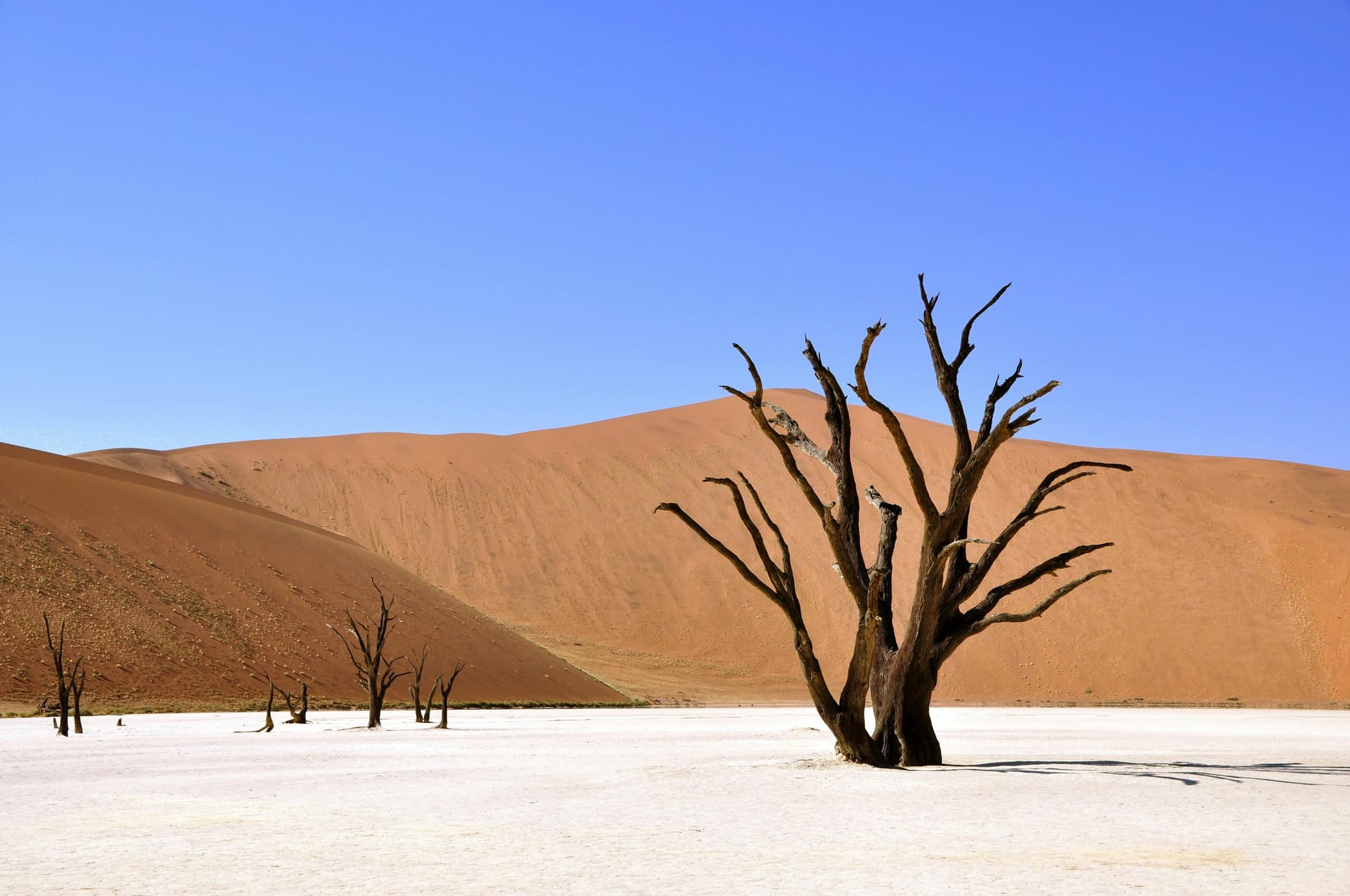
Plan for the significant distances between sights across Namibia’s vast landscape. Consider how the environmental conditions of the deserts and plains influence your travel schedule. Prepare thoroughly by researching the specific geographical nuances of your planned route.
Seek out current official travel advice to inform your research on environmental conditions. Plan your journey with a focus on self-reliance given the rugged nature of the terrain. Compare your expectations with official data regarding seasonal shifts in regions like Etosha or the Namib-Naukluft.
What should you know about diverse Landscapes and Regional Character?
Consider the diverse topography, from dunes to northern plains, when mapping your route. Compare the varied landscapes of the Skeleton Coast with the environments found near the Etosha pan. Plan your time effectively to account for the immense scale of the national park areas.
Adjust your travel pace when navigating regions like Damaraland that lack traditional park infrastructure. Keep your focus on the road when travelling through remote areas to ensure your safety. Verify the status of remote infrastructure before committing to a route through these geological areas.
What should you know about northern Biodiversity and Flood Potential?
Ask about current trail accessibility in the Kavango and Zambezi regions during the January-to-April period. Consider how seasonal flooding might affect your travel plans in the far north. Verify the feasibility of your route with local guides before entering wetter ecosystems.
Check official park updates for environmental warnings before you enter northern zones. Prioritize local guidance when assessing the status of riverbeds or trails. Maintain constant awareness of changing conditions that may turn dry routes into impassable terrain.
How do season and regional conditions affect your plans?
Ask about expected conditions for January and February, noting that inland rain may occur. Clarify how March and April weather transitions might impact your ability to travel. Check individual road status regardless of seasonal expectations.
Ask about current conditions in the northern river regions, desert interior, and coast before finalizing your itinerary. Consider the cooling temperatures typically found from May through August. Verify the temperature trends for September and October to prepare for hotter inland conditions. Discuss the potential onset of November and December rains with local authorities. Ensure you are viewing these seasonal trends as planning tendencies rather than definitive forecasts.
What should you know about road Travel and Infrastructure Caution?
FCDO warns that many gravel roads in Namibia deteriorate during the January-to-April rainy season. Plan for slow progress on gravel roads rather than expecting efficient travel times. Carry adequate equipment to manage the risk of potential tyre failure.
Assess the physical strain of long-distance driving when building your itinerary.
Calculate your fuel consumption based on your specific vehicle load and terrain. Request that a professional mechanic inspect your vehicle before you leave urban hubs. Plan your fuel stops to account for limited supply at remote locations.
What should you consider about safety and safari etiquette?
Avoid driving after dark to minimize the risk of encountering wildlife or reduced visibility. Keep to well-traveled routes where you have access to assistance. Maintain constant vigilance during any stops you make along the way.
Verify all documentation and rental insurance requirements through official government resources. Ask your rental agency to clarify the liability implications of your specific agreement. Maintain a calm and compliant demeanor if you encounter checkpoints in the north.
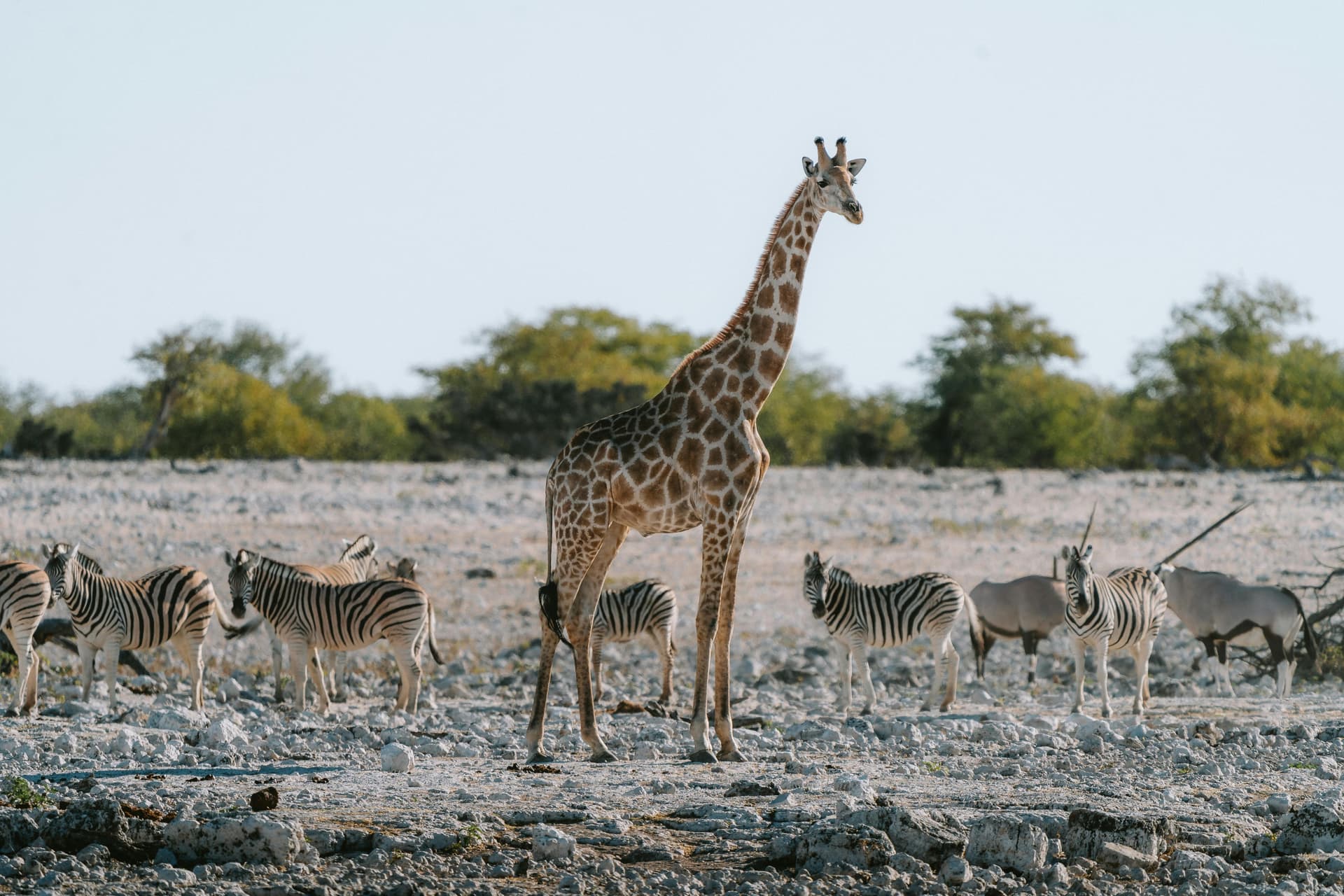
What should you know about wildlife Encounters and Park Ethics?
Consider that wildlife sightings in parks like Etosha depend on animal movement and habitat choice. Approach game viewing with patience and respect for natural boundaries. Check the authority responsible for your itinerary and request written clarification of the applicable arrangements.
Check the authority responsible for your itinerary and request written clarification of the applicable arrangements.
Adhere strictly to all temporary park closures to support conservation efforts. Ask about the current status of sensitive species protection zones before you visit. Check security measures to safeguard biodiversity.
Which entry and document questions need official confirmation?
Verify entry regulations directly with the nearest embassy well before your departure date. Confirm that your passport and visa preparations meet the requirements for your visit. Check the specific documentation needed for minors to avoid denied entry.
Carry multiple copies of all essential travel records in addition to your original documents. Ensure your documents are in pristine condition before traveling. Confirm stay durations and border protocols with local authorities.
How should you prepare for safari health questions?
Consult your personal clinician regarding your specific health needs and vaccination status. WHO explains that travel health risks depend on the traveller's health, type of travel and destination. Seek comprehensive travel insurance that includes medical evacuation for remote areas.
Discuss malaria prophylaxis options with a professional before departure.
Bring a well-stocked medical kit to handle minor health issues during your trip. Discuss your overall health profile with a professional before traveling to ensure appropriate preparedness. Maintain standard hygiene practices throughout your stay. Which current conditions should you ask the park authority about for your route in January, February and March? Which current conditions should you ask the park authority about for your route in April, May and June? Which current conditions should you ask the park authority about for your route in July, August and September? Which current conditions should you ask the park authority about for your route in October, November and December?
Frequently asked questions
How do I secure my bookings for accommodation and safaris?
Contact the official authorities directly to determine the appropriate channels for your booking inquiries. Use email if online booking systems remain unavailable for your specific requests. Keep a written record of all correspondence to ensure your arrangements are tracked.
What currency should I use and how do I handle payments?
Discuss with your bank which international payment cards function reliably in the region. Monitor your transaction records closely during your stay for accuracy. Ask local service providers about their accepted payment methods before initiating transactions.
Are there specific rules regarding photography and privacy?
Respect the privacy of local residents and the operational requirements of park staff. Avoid capturing images of border facilities or sensitive infrastructure to prevent security concerns. Clarify with authorities if you have questions regarding permitted areas for photography.
What is the policy regarding children on safari?
Ask the specific lodge or operator about their age policies for game drives and other activities. Verify the required legal documentation for minors with immigration authorities before you travel. Confirm any age-related safety requirements directly with the service provider.
How should I handle cancellations or changes to my trip?
Read the specific cancellation terms provided by your operator at the time of booking. Consider obtaining comprehensive travel insurance to manage the risks of itinerary changes. Verify that your insurance coverage addresses your specific travel needs.
Your next step
Consider how your personal preparation for Namibia’s geography and environmental conditions will shape your trip. Review official guidelines to navigate the vast distances and diverse climates with greater confidence.
Refer to official dossiers for all logistical needs and current policy information. Ask the relevant authorities for their latest legal disclosures regarding operator contact details. Confirm that your travel arrangements align with the requirements provided by official sources.
Official sources and further checks
Continue reading
Namibia’s National Parks: A Planning Guide
Namibia’s National Parks: A Planning Guide. Practical planning, careful comparisons and questions to ask before booking directly with a safari operator.
Self-Drive Safari in Namibia
Self-Drive Safari in Namibia. Practical planning, careful comparisons and questions to ask before booking directly with a safari operator.
Safari Packing List: What Really Matters
Safari Packing List: What Really Matters. Practical planning, careful comparisons and questions to ask before booking directly with a safari operator.